Proper extension washing should clean the scalp without creating unnecessary friction through the hair or attachment areas. Detangle before washing, cleanse gently, rinse thoroughly, condition the lengths appropriately, and make sure the roots and attachment areas are fully dry afterward.
For stylists, the goal is not to give every client the same routine. Good aftercare should fit the extension method, the client’s scalp, lifestyle, and how much buildup they experience between washes.
Why Do Hair Extensions Need a Different Washing Routine?
Installed extensions need a little more control during washing because the scalp, extension lengths, and attachment areas all behave differently.
The scalp still needs proper cleansing to remove oil, sweat, and product buildup. At the same time, the extension lengths can become dry or tangled more easily if they are handled roughly.
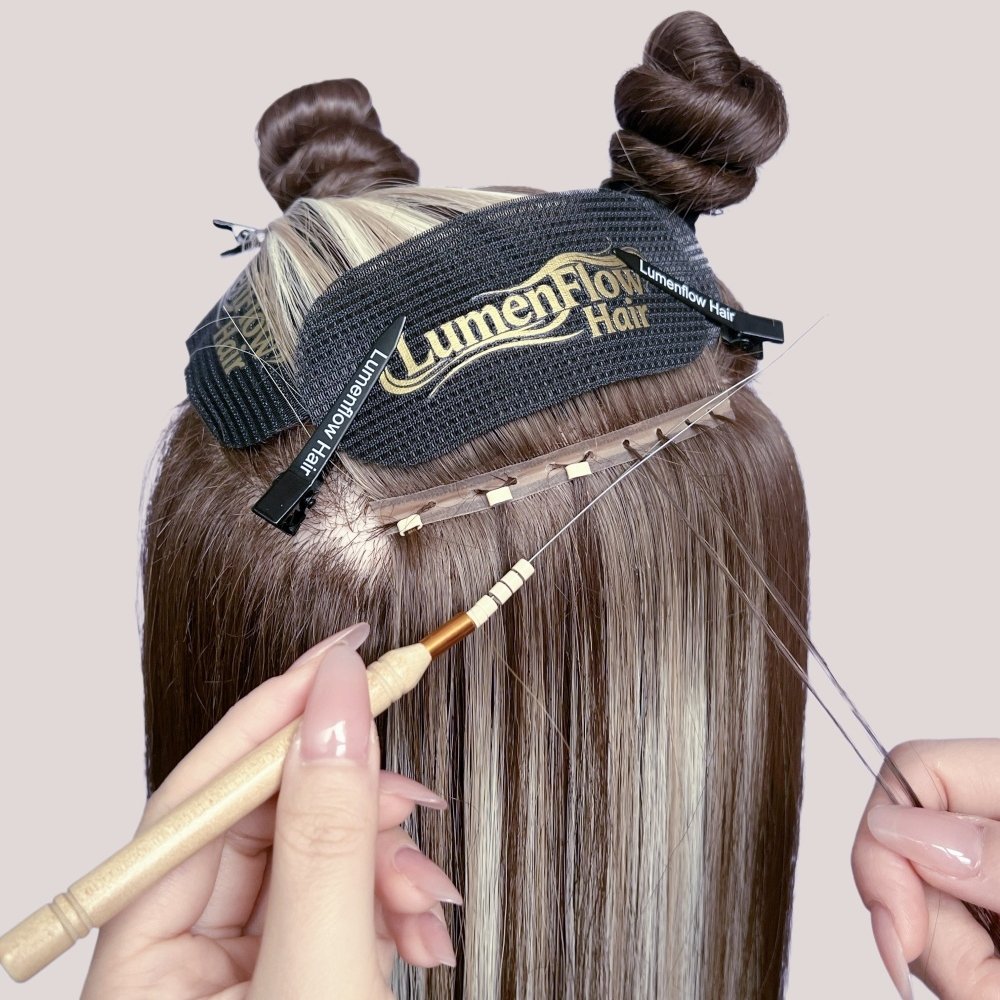
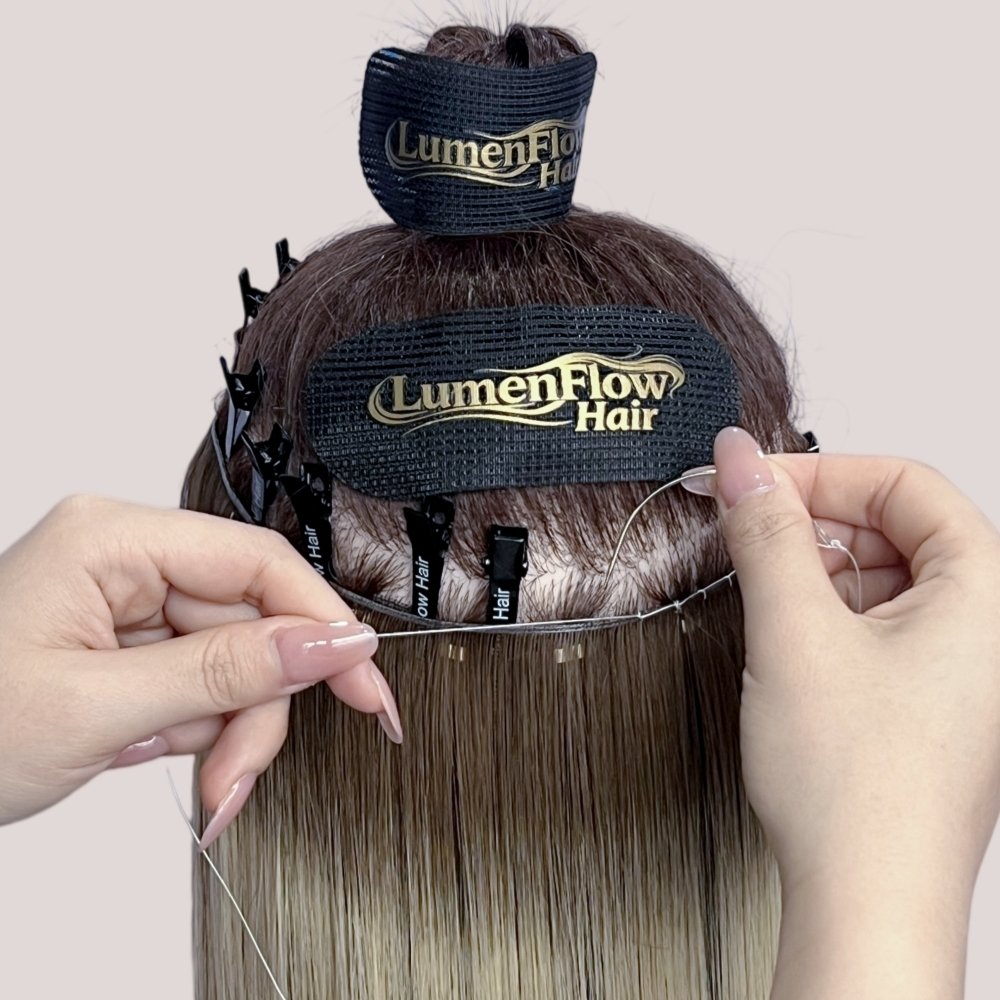
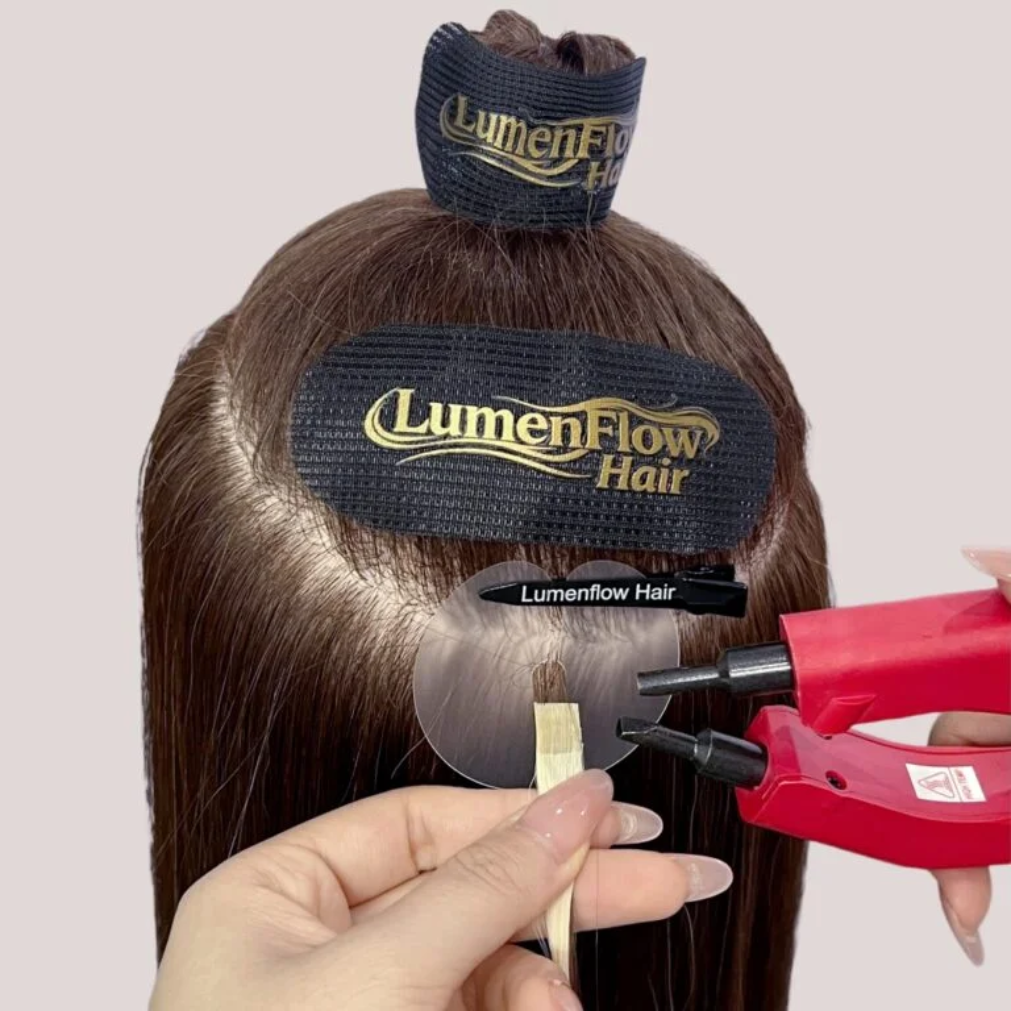
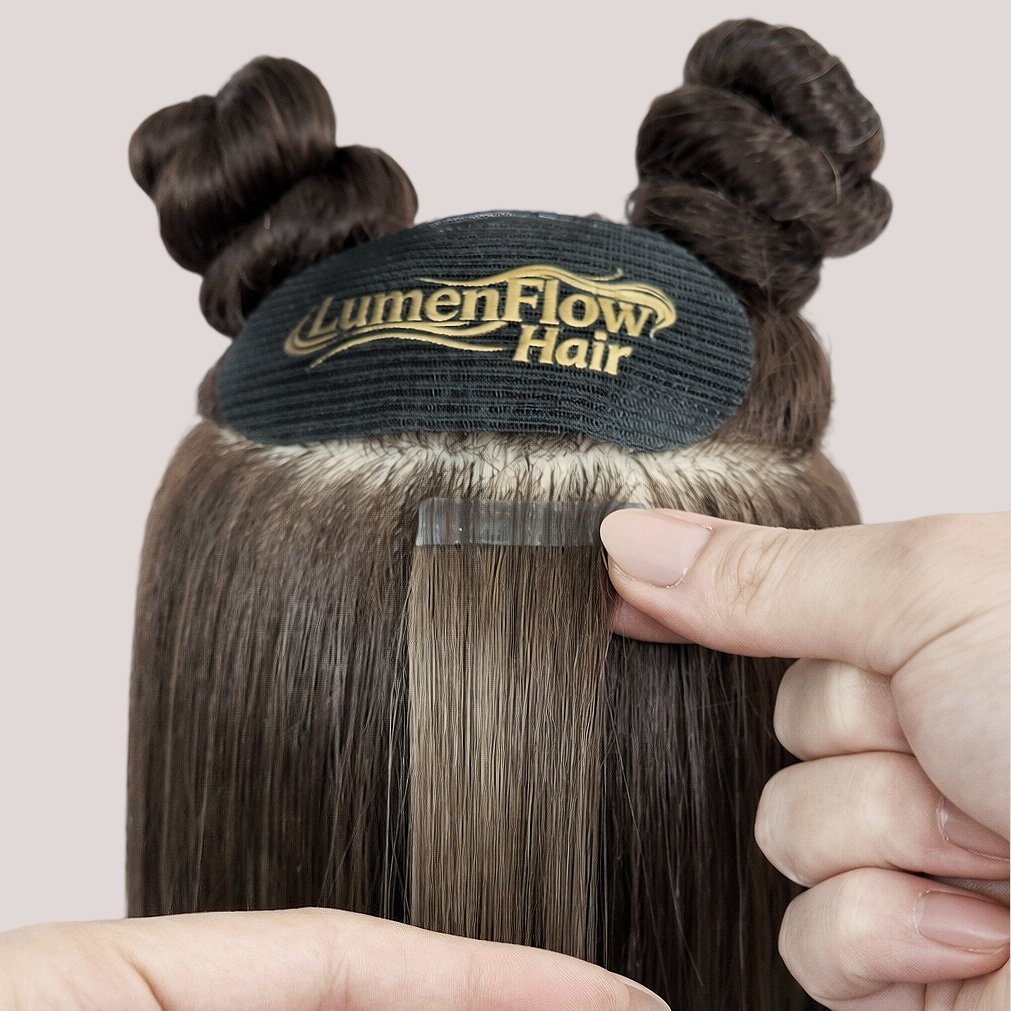
The attachment area also needs attention. Beads, sewn rows, adhesive tabs, and keratin bonds should be cleaned without aggressive rubbing or unnecessary pulling.
How Should You Prepare Hair Extensions Before Washing?
Start by gently detangling the hair before it gets wet.
Work through the ends first and gradually move upward, supporting the hair near the attachment area as needed. Existing tangles can become harder to manage once the hair is saturated with water.
The goal is to go into the wash with the hair already smooth enough to move in one controlled direction.
What Is the Best Way to Wash Installed Hair Extensions?
Clean the Scalp Without Scrubbing the Attachments
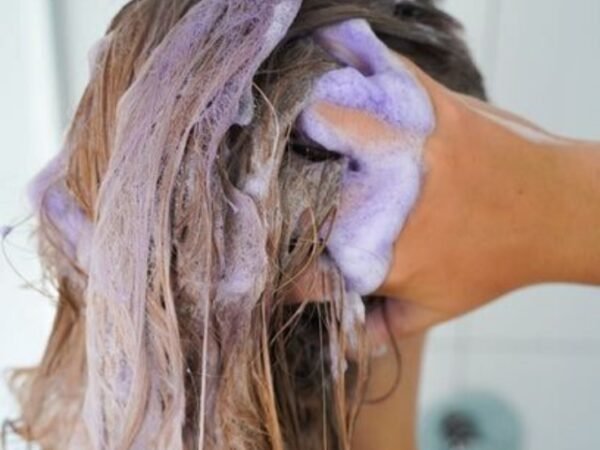
Apply a gentle shampoo that cleans the scalp effectively without leaving the extension hair overly dry or coated.
Focus the cleansing action on the scalp and root area. Avoid aggressive circular scrubbing, rough back-and-forth movement, or piling the hair on top of the head.
The scalp still needs to be cleaned properly. Protecting the attachment area does not mean avoiding the scalp altogether.
Keep the Hair Moving in a Controlled Direction
Try to keep the lengths moving downward rather than twisting or bunching them together.
This reduces unnecessary friction and makes the hair easier to manage after rinsing.
A controlled washing motion is especially useful for longer extension hair, where tangling can become more noticeable through the mid-lengths and ends.
Rinse Thoroughly
Product residue can make extension hair feel heavy and may contribute to buildup around the attachment area.
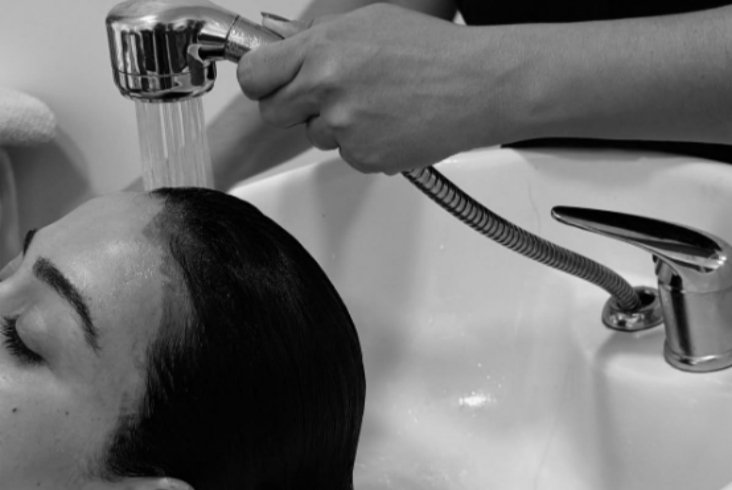
Rinse until the shampoo is fully removed from the scalp, lengths, and the areas around the attachments.
Do hair extensions need sulfate-free shampoo?
Not necessarily. Sulfate-free formulas can be suitable, but the more important consideration is choosing a gentle shampoo that cleans the scalp effectively without leaving the extension hair overly dry or coated.
Where Should Conditioner Be Applied?
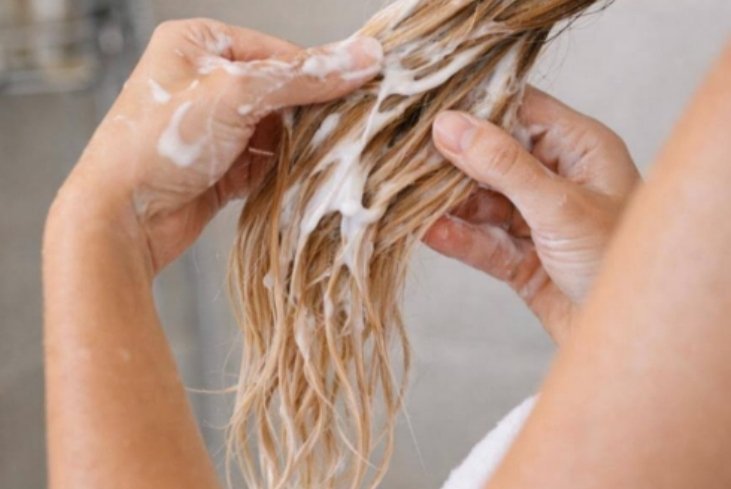
Conditioner should generally be focused on the mid-lengths and ends, where the extension hair benefits most from added moisture and slip.
Avoid loading rich conditioner directly onto attachment areas unless the specific extension method and product allow it. Heavy product around beads, adhesive tabs, or bonds can make the area harder to manage.
This does not mean the attachment area should be ignored during washing. It simply means conditioning products should be placed more deliberately than they would be on natural hair alone.
How Should Hair Extensions Be Dried After Washing?
Drying is just as important as washing.
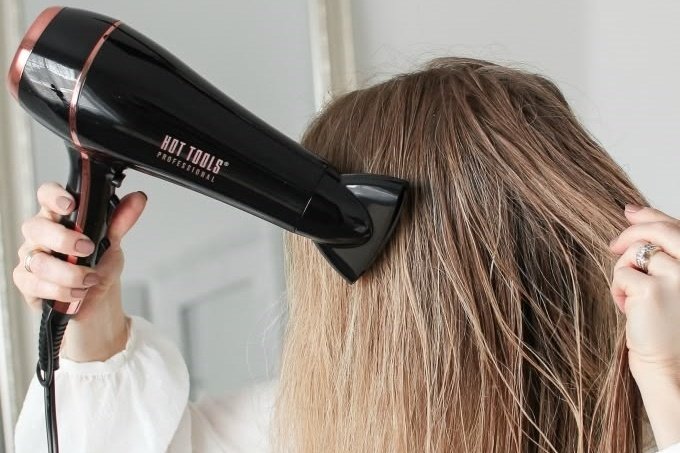
After rinsing, gently remove excess water without rubbing or twisting the hair. The roots and attachment areas should be dried thoroughly rather than left damp for long periods.
Clients should not go to bed with wet or damp extensions. They should also avoid tying up the hair while the attachment area is still damp.
Once the roots and attachments are properly dry, the lengths can be dried and styled according to the client’s usual routine.
For more guidance on heat and styling after washing, see LumenFlow’s hair extension styling and aftercare guide.
Does Washing Change by Extension Method?
The basic washing principles are similar across methods, but the attachment area changes what the client needs to protect.
| Method | Main Washing Consideration |
|---|---|
| Butterfly Weft | Clean around the bead-only row without aggressive rubbing and dry the attachment area thoroughly |
| Genius Weft | Pay attention around the beaded foundation and sewn row |
| Tape-In | Avoid heavy product buildup around the adhesive tabs |
| K-Tip | Clean carefully around individual keratin bonds and dry the bond area thoroughly |
The goal is not to create four completely different wash routines. It is to teach the same core principles while adjusting how the attachment area is handled.
How Often Should Clients Wash Hair Extensions?
There is no single wash schedule that works for every extension client.
Wash frequency should be based on factors such as scalp oiliness, exercise and sweating, product buildup, lifestyle, extension method, and the stylist’s professional guidance.
A client with an oily scalp or frequent workouts may need a different routine from someone with a drier scalp and less product buildup.
The better question is not, “How many times per week?” It is, “How often does this client need to cleanse the scalp while still maintaining the extensions properly?”
What Washing Mistakes Should Stylists Warn Clients About?
Washing Hair That Is Already Tangled
If tangles are already present before washing, water and friction can make them more difficult to manage.
Detangling first makes the wash process more controlled.
Scrubbing or Twisting Too Aggressively
Rough washing can create unnecessary friction through the lengths and extra movement around the attachments.
Gentle cleansing is enough. The hair does not need to be aggressively scrubbed to get clean.
Applying Heavy Product Directly Around Attachments
Rich conditioner or heavy product buildup around the attachment area can make maintenance more difficult.
Keep conditioning products mainly through the mid-lengths and ends unless the method and product specifically allow otherwise.
Leaving the Attachment Area Damp
Damp roots and attachment areas can make the hair harder to manage and may contribute to tangling or other aftercare problems.
Dry these areas thoroughly after washing.
What Should Stylists Teach Clients Before They Leave the Salon?
Aftercare instructions should be simple enough that clients can actually remember them.
A useful sequence is:
Detangle → Cleanse → Protect → Rinse → Dry
Clients do not need a long list of complicated rules. They need to understand how to keep the scalp clean, reduce friction, protect the attachment area, and avoid leaving the extensions wet for long periods.
If a client later experiences early slipping, washing technique may be one factor, but it should not automatically be blamed as the only cause. Installation, natural-hair characteristics, placement, buildup, and aftercare can all play a role.
For a broader troubleshooting approach, see LumenFlow’s guide to hair extension slippage.
Frequently Asked Questions
Can you wash hair extensions like normal hair?
Not exactly. The scalp still needs proper cleansing, but the lengths and attachment areas should be handled with more control to reduce friction, tangling, and unnecessary pulling.
How often should you wash hair extensions?
There is no universal schedule. Frequency should be based on scalp oiliness, activity level, buildup, extension method, and stylist guidance.
Do hair extensions need sulfate-free shampoo?
Not necessarily. Sulfate-free formulas can be suitable, but the more important consideration is choosing a gentle shampoo that cleans the scalp effectively without leaving the extension hair overly dry or coated.
Should you condition hair extensions?
Yes. Conditioner is generally most useful through the mid-lengths and ends. Avoid loading rich conditioner directly onto attachment areas unless the method and product allow it.
Can you sleep with wet hair extensions?
No. The roots and attachment areas should be thoroughly dry before bed.
Does washing cause hair extensions to slip?
Washing technique and product placement can contribute to slippage, but they are not the only possible causes. Installation, natural hair, buildup, placement, and maintenance should also be assessed.