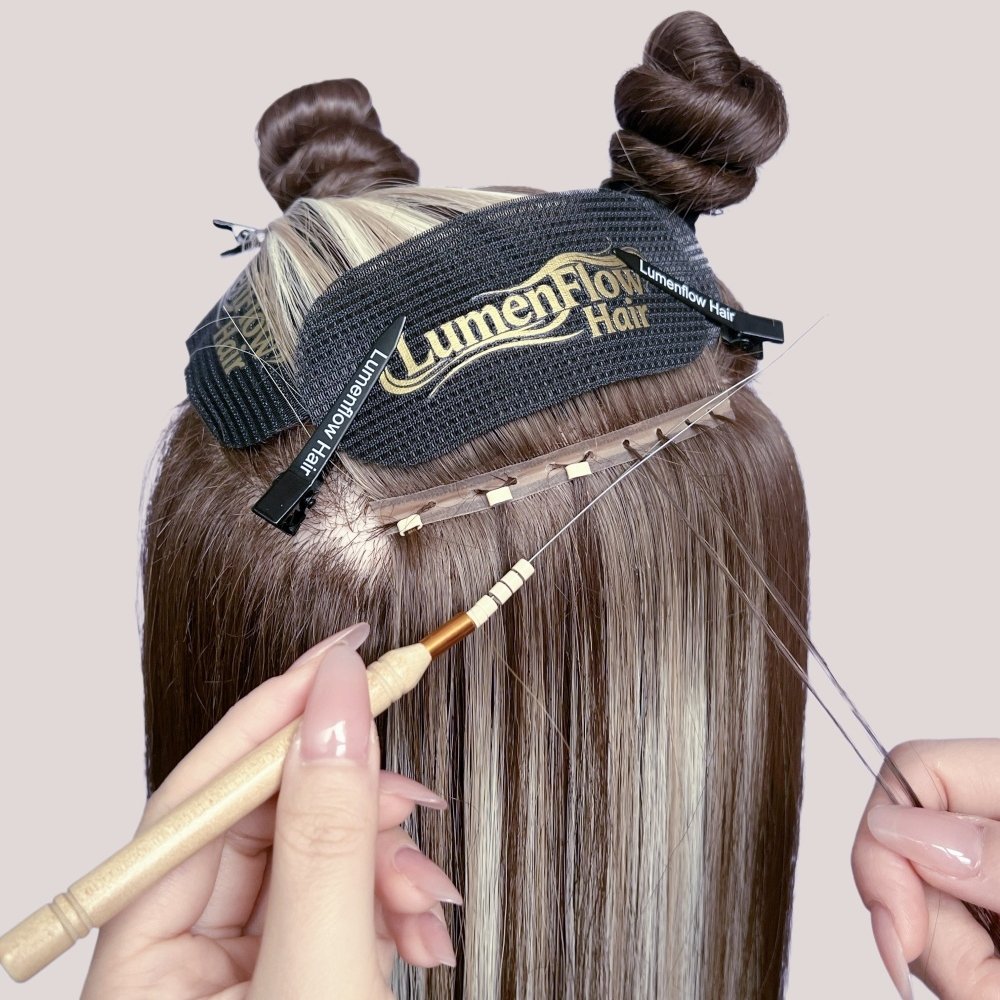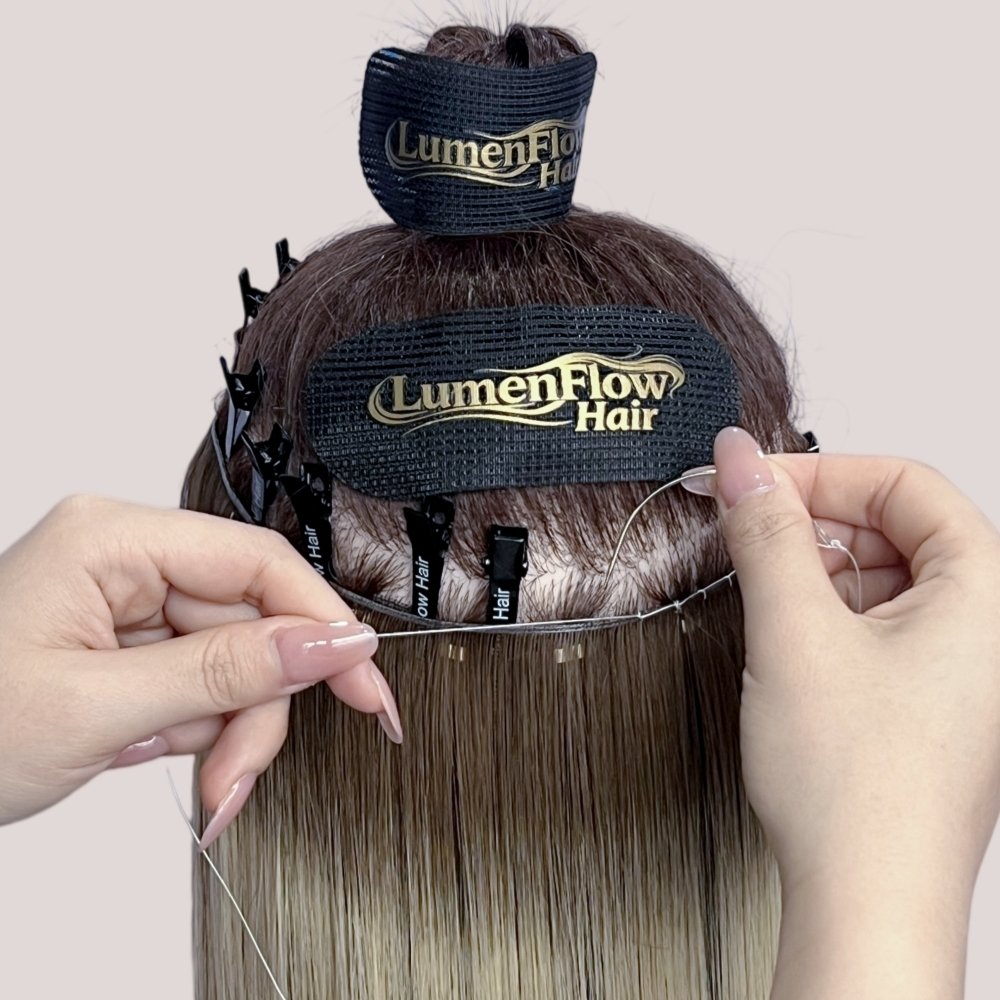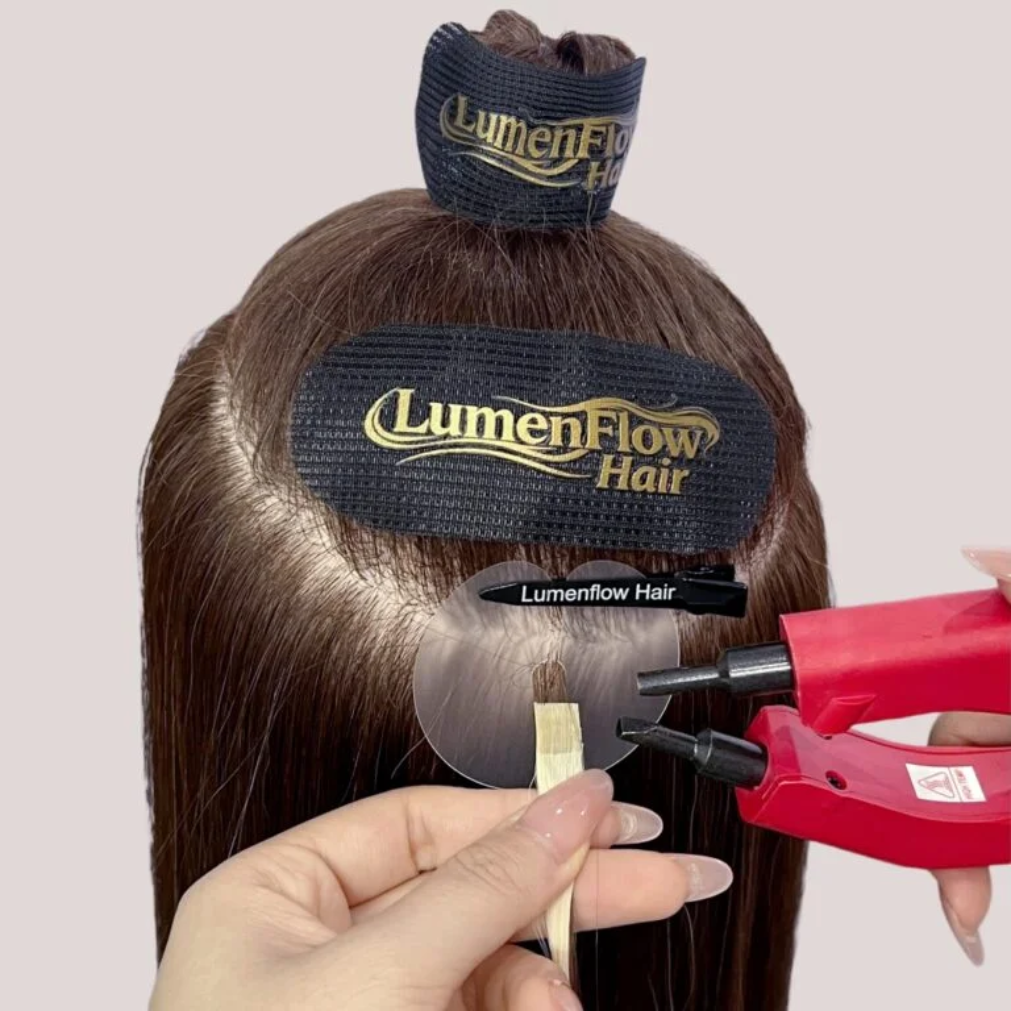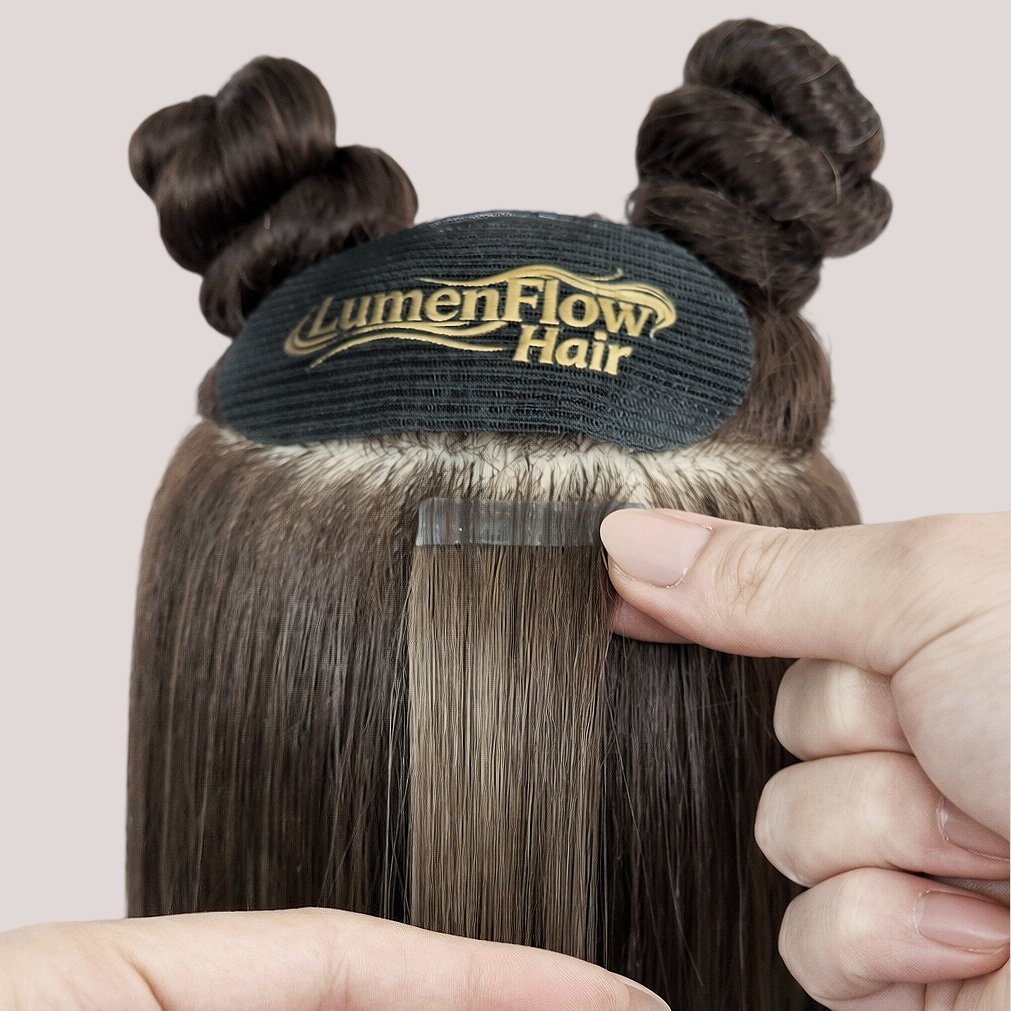
Client hair should be clean, fully dry, detangled, and free from unnecessary oil or product buildup before professional extension installation. Once the consultation, color direction, extension method, and service plan are confirmed, pre-service preparation should focus on creating a controlled base for sectioning and attachment.
The goal is simple: make sure the hair is genuinely ready for installation before the first working section is created.
1. Confirm the Service Plan Before Preparing the Hair
Pre-service preparation should begin after the main consultation decisions have already been made.
Before starting, confirm the extension method, color plan, amount of hair being used, and the general installation plan. If the client’s natural hair or scalp looks noticeably different from the consultation appointment, reassess before moving forward.
This stage should be a quick readiness check, not a second consultation.
For a broader assessment of natural hair, density, client goals, and method planning, see LumenFlow’s hair extension consultation checklist.
2. Clean the Hair and Attachment Areas
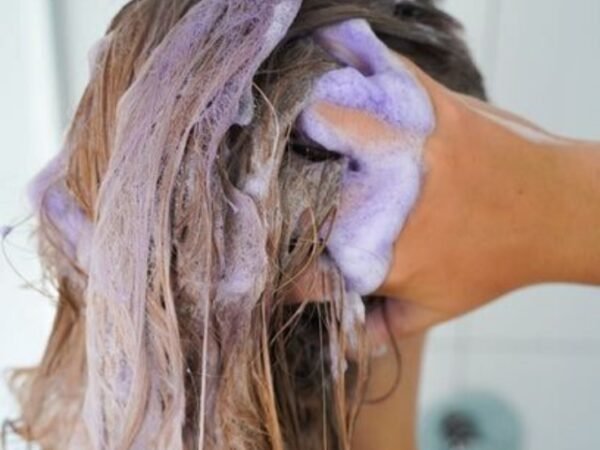
Extension installation should begin with effectively cleansed natural hair.
The goal is to remove unnecessary oil, sweat, dry shampoo, styling residue, and product buildup from the areas that will be worked on.
Clean hair does not mean every client needs the same shampoo or the same cleansing routine. The stylist should focus on whether the hair and planned attachment areas are clean enough to be controlled properly during the service.
2.1 Does Every Client Need a Clarifying Shampoo?
Not necessarily.
Clarifying shampoo can be useful when there is noticeable buildup, but it should not be treated as a universal requirement for every client or every extension method.
The priority is effective cleansing without leaving unnecessary residue behind.
2.2 What Should Be Avoided Around the Attachment Area?
Avoid leaving heavy oils, rich leave-ins, or heavy conditioning residue around the planned attachment areas.
Conditioner itself does not need to be completely prohibited. The more relevant concern is whether the root and attachment area are left coated, oily, or difficult to control.
Keep the focus on the condition of the working area rather than creating a long list of banned ingredients.
3. Dry, Detangle, and Organize the Natural Hair
Once the hair is clean, it needs to be prepared into a controlled working base.
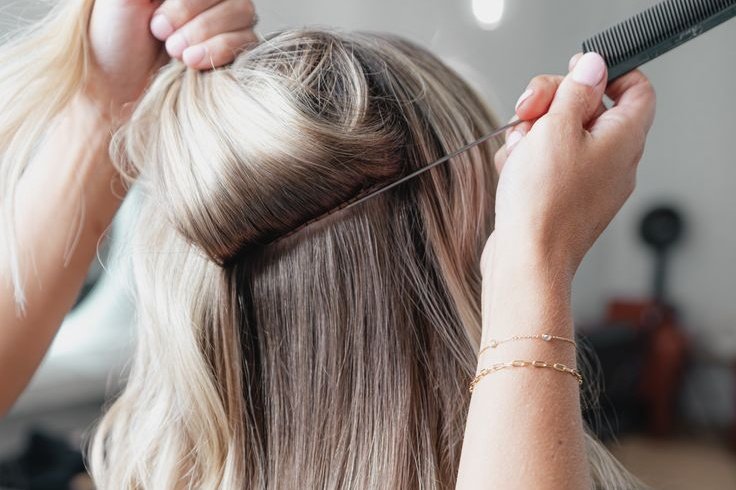
That means making sure the hair is fully dry, free from significant tangles, and organized enough for the stylist to begin precise sectioning.
3.1 Make Sure the Attachment Area Is Fully Dry
Professional attachment work should begin on fully dry hair.
Pay particular attention to the roots and planned attachment areas. The stylist should not begin the installation while moisture remains in the areas being sectioned or attached.
There is no need to prescribe one universal blow-dryer temperature or styling finish. The goal is simply dry, controlled hair that is ready for the chosen extension method.
3.2 Detangle Before Formal Sectioning Begins
Detangling is part of installation preparation, not just finishing work.
A tangle-free base allows the stylist to separate the natural hair more clearly and reduces unnecessary pulling while the working sections are created.
The hair should be organized enough that the stylist can see the natural fall and work through the planned installation areas without fighting knots or crossed strands.
This step prepares the hair for sectioning. It does not replace the sectioning technique required for the individual extension method.
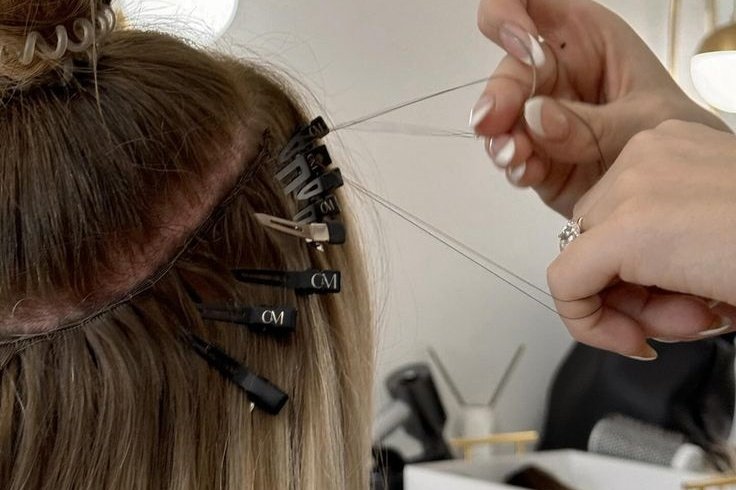
4. Check the Client’s Natural Fall and Parting
Before creating the first installation section, look at how the client’s hair naturally sits.
Confirm the usual parting, natural fall, and styling habits that may affect concealment. A client who frequently changes her part or wears the hair up may need those habits considered when the final installation plan is reviewed.
This is not the point to redesign the entire service.
It is simply the final check that the original plan still works with the way the client actually wears her hair.
4.1 Does the Hair Need to Be Straightened Before Installation?
Not always.
Hair does not need to be universally flat-ironed before extensions are installed.
Prepare the natural hair in a way that allows clean, controlled sectioning while respecting the client’s natural texture and the requirements of the chosen method.
The objective is control—not forcing every client into the same preparation finish.
5. Adjust the Final Prep for the Extension Method
The overall preparation principles are similar across professional extension services, but the attachment area may need slightly different attention depending on the chosen method.
| Method | Pre-Service Focus |
|---|---|
| Butterfly Weft | Clean, fully dry, organized natural hair ready for professional beaded-row sectioning |
| Genius Weft | Clean, dry hair prepared for the planned beaded foundation and row placement |
| Tape-In | Clean, fully dry attachment areas without unnecessary oil or heavy product residue |
| K-Tip | Clean, dry, controlled natural hair ready for professional strand-by-strand application |
Pre-service preparation should stop before the actual installation technique begins.
Bead spacing, row planning, bond placement, scalp distance, and attachment technique belong to the method-specific installation process—not to this preparation stage.
For broader principles around support, tension, placement, and weight distribution, see LumenFlow’s guide to professional hair extension application.
6. Complete the Final Pre-Installation Check
Before beginning the first installation section, take one final look at the hair.
Confirm that it is:
- clean
- fully dry
- detangled
- free from excessive product buildup
- consistent with the confirmed color and service plan
- sitting in a natural fall and parting that has been reviewed
This final check should be quick, but it prevents the stylist from carrying a preparation problem into the installation itself.
Hair that has simply been washed is not automatically ready for extensions.
The goal is ready-to-install hair.
6.1 When Should a Stylist Pause Before Installation?
If the client arrives with a meaningful change in natural hair or scalp condition, pause before moving into the attachment stage.
New visible breakage, significant irritation, or another noticeable change from the consultation should be reassessed first.
That does not mean every concern automatically rules out extension services. It means the stylist should confirm that the original plan is still appropriate before proceeding.
Frequently Asked Questions
Should Hair Be Washed Before Extension Installation?
In most professional services, the hair should be clean before installation.
The goal is to remove unnecessary oil, sweat, and product buildup so the stylist has a controlled base to work with.
Can Conditioner Be Used Before Extension Installation?
Yes, but heavy conditioning residue should not be left around the planned attachment areas.
The focus should be on keeping the working areas clean and free from unnecessary coating or oiliness.
Can Extensions Be Installed on Damp Hair?
Professional attachment work should begin on fully dry hair, particularly around the roots and planned attachment areas.
Moisture should not remain in the areas being sectioned or attached.