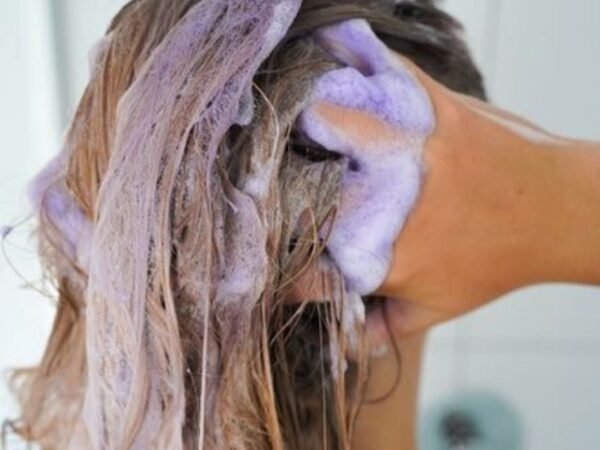
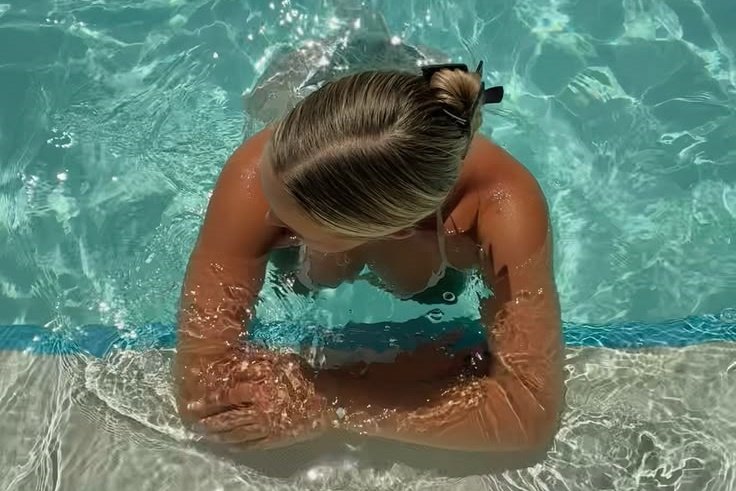
Summer brings more than sunshine. Heat, sweat, humidity, wind, swimming, and frequent styling can all change the way your hair extensions look and feel.
During warmer months, the attachment areas may stay damp for longer, while the lengths can become drier and more prone to tangling. Small changes in your daily routine can make a noticeable difference.
Here are Eight Simple Ways to keep your extensions comfortable, manageable, and looking their best throughout the summer.
1. Sweaty Roots? Dry Them, Don’t Hide Them
After a workout or a hot day, sweat can remain around the roots and attachment areas, especially between extension rows. Repeatedly covering it with dry shampoo may also lead to product buildup.
- Let your hair down, gently separate the rows, and use a blow dryer on low or medium heat to dry the roots and attachment areas. If your scalp already feels oily or heavy, wash it properly instead of continuing to add more product.
2. Never Tie Up Damp Extensions
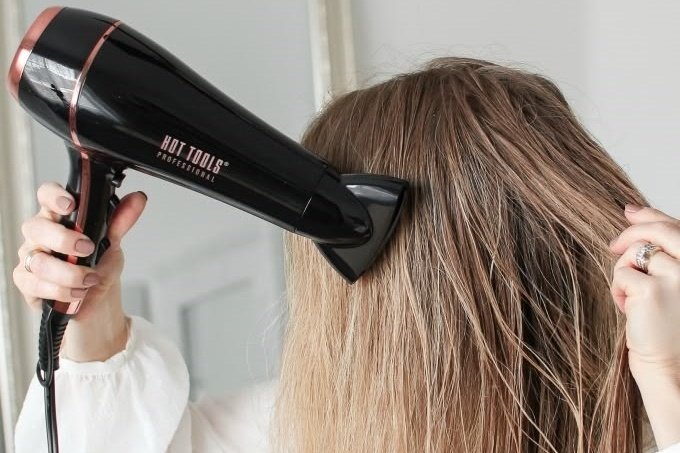
Putting damp extensions into a ponytail or bun can trap moisture between the rows and create extra friction. This can make the hair more difficult to manage and increase tangling.
- After washing, gently blot away excess water with a towel and separate the rows with your fingers. Dry the roots and attachment areas first, and make sure they are completely dry before tying your hair up or going to bed.
3. Protect Your Extensions From Summer Wind
Beach days, open car windows, boat trips, and other outdoor activities can create constant movement through the lengths of your extensions. Over time, this friction can quickly turn small tangles into larger knots.
- Before spending time outside, wear your hair in a loose braid or low ponytail when possible. Afterward, gently brush from the ends upward while supporting the hair closer to the attachment area. Dealing with small tangles early makes them much easier to manage.
4. Hydrate the Hair, Not the Attachments
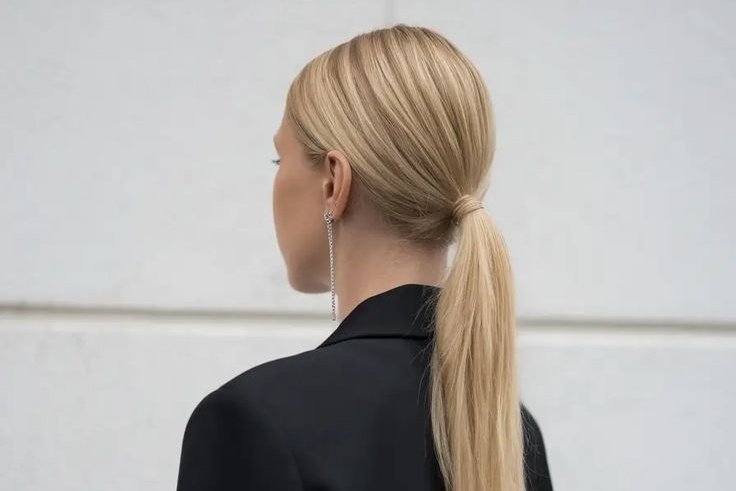
Extension hair does not receive natural scalp oils in the same way as your own hair. Combined with sunlight, heat, and air conditioning, this can leave the mid-lengths and ends feeling noticeably drier during summer.
- Apply a lightweight leave-in conditioner to the mid-lengths and ends, and use a moisturizing mask when needed. Keep conditioners, masks, serums, and oils away from beads and attachment areas, as too much product around the roots can create buildup and make the extensions feel heavy.
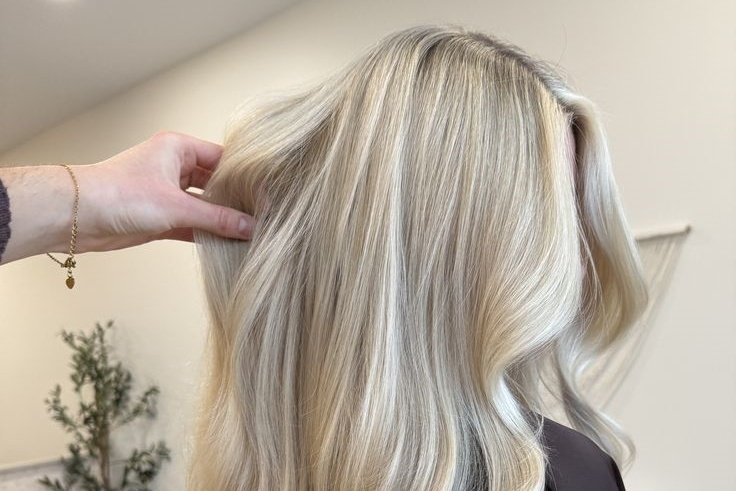
5. Be Extra Careful With Blonde Extensions
Blonde, ash, and balayage extensions can be more sensitive to certain summer conditions. Sunscreen transfer, strong UV exposure, and mineral-rich water may sometimes cause lighter shades to develop peach, pink, orange, or copper tones.
- Apply sunscreen before styling your hair, wash your hands afterward, and allow the product to absorb before letting your extensions rest against your shoulders or back. When possible, choose sunscreen without avobenzone and avoid direct contact between freshly applied sunscreen and the hair.
- If you notice an unexpected color change, contact your stylist before using strong clarifying or toning products at home.
6. Reduce Repeated Heat Styling
Your extensions are already exposed to more environmental stress during summer. Adding frequent high-temperature styling can leave the hair feeling dry, brittle, and more difficult to blend with your natural hair.
- Always use heat protection and lower the temperature of your styling tools when possible. Work in smaller sections to avoid repeatedly passing over the same hair, and never use straighteners or curling irons until your extensions are completely dry.
7. Avoid Too Much Tension From Summer Hairstyles
High ponytails and tight buns may feel convenient during hot weather, but wearing them repeatedly can place unnecessary tension around the attachment areas and cause discomfort.
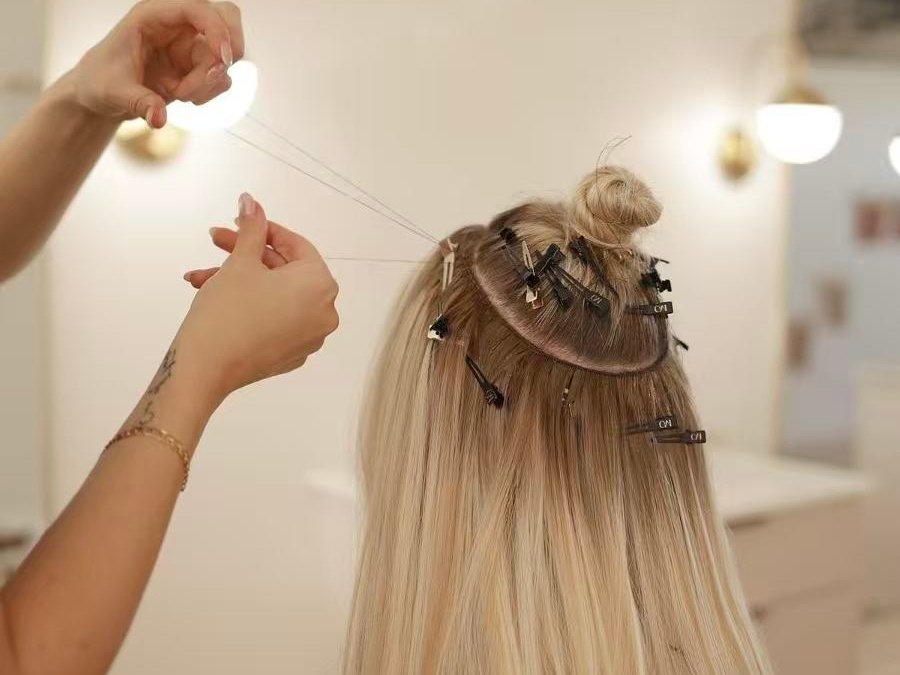
- Choose loose braids, low ponytails, or relaxed buns whenever possible, and change the position of your ponytail instead of pulling the hair in the same direction every day. For bead-based weft methods such as Butterfly Weft, make sure the weft is sitting naturally and is not folded, twisted, or pulled into an uncomfortable position.

8. Know When to Contact Your Stylist
A little extra dryness or occasional tangling can usually be managed with good home care. Persistent soreness, unusual odor, visible slipping, severe matting, or abnormal shedding, however, should not be ignored.
- Avoid pulling, tightening, or applying heavy products to the problem area yourself. Contact your stylist for an early maintenance check before a small issue becomes more difficult to correct.
- For Butterfly Weft, maintenance is normally recommended every 4–6 weeks. Clients who exercise frequently, sweat heavily, swim often, or have a particularly active summer lifestyle may benefit from an earlier check.
Keep Your Summer Routine Simple
Good summer extension care does not need to be complicated. Keeping the roots dry, protecting the lengths from friction, maintaining moisture through the ends, and reducing unnecessary heat and tension can go a long way.
Pay attention to how your extensions feel throughout the season, and always follow the aftercare recommendations provided by your stylist. Different extension methods may require slightly different maintenance, so professional guidance should always come first.
If you are looking for an extension method designed with comfort, flexibility, and professional maintenance in mind, you can also join our Stylists Program and learn more about the method.