Hair extension slippage can be frustrating for both stylists and clients.
An installation may look clean and secure when the client leaves the salon, only for a few attachment points to begin moving or slipping earlier than expected.
But when this happens, it does not automatically mean there is a problem with the extensions themselves.
Slippage is usually the result of several factors working together — the client’s natural hair, preparation, sectioning, installation technique, lifestyle, and aftercare.
Understanding these factors makes it much easier to identify what actually went wrong and improve the next installation.
What Does Hair Extension Slippage Actually Mean?
Slippage happens when an extension attachment gradually moves away from its original position or loses its hold on the natural hair.
Depending on the extension method, this might look different.
With bead-based methods, a bead may begin sliding down the natural hair.
With Tape-Ins, the adhesive tabs may start separating or moving.
With K-Tips, individual bonds may loosen and shed earlier than expected.
A small amount of movement over time can be normal as the client’s natural hair grows. Unexpected movement shortly after installation, however, is worth investigating.
1. Start With the Client’s Natural Hair
Not every head of hair behaves the same way with extensions.
Before installation, look closely at the client’s:
- Hair density
- Strand thickness
- Texture
- Scalp oil production
- Chemical history
- Overall strength and condition
Very fine or naturally silky hair may not provide the same grip as coarser hair. On the other hand, highly processed or fragile hair may not be suitable for the same amount of weight or tension.
This is why choosing an extension method should never be based only on the look the client wants.
The natural hair has to be able to support the installation safely and securely.
2. Preparation Can Change the Entire Installation
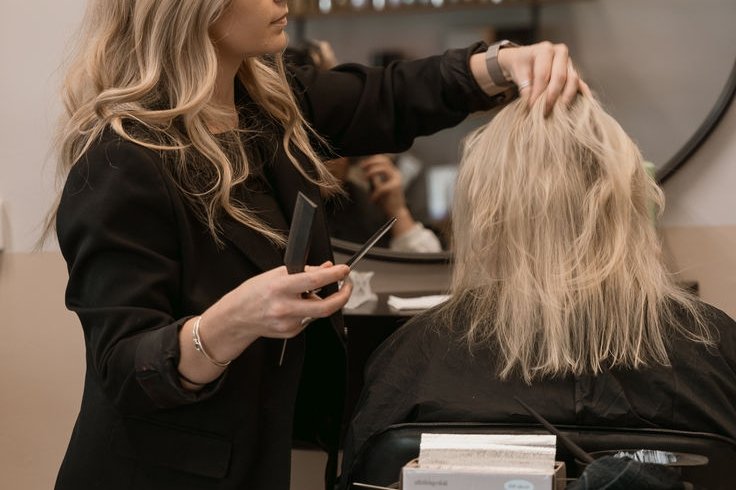
One of the easiest places to troubleshoot early slippage is the preparation process.
Before installation, the attachment area should generally be clean, completely dry, and free from unnecessary product buildup.
Heavy conditioners, oils, masks, serums, and styling products around the root area can interfere with certain attachment methods — especially adhesive-based extensions.
Even with bead-based installations, excessive oil or product buildup can make the natural hair more difficult to control during installation.
Good preparation gives the stylist a clean foundation to work from.
3. Section Size Matters More Than It Looks
A technically clean row does not always mean the section is correct.
The amount of natural hair supporting each extension needs to match the attachment method and the amount of extension hair being installed.
Too little natural hair can create unnecessary tension. Too much hair can prevent an attachment from sitting or closing correctly.
For bead-based methods, the section should sit comfortably and securely inside the bead.
For Tape-Ins, sections need to be clean and appropriate for the adhesive tabs to make proper contact.
For K-Tips, the amount of natural hair supporting each bond should be balanced with the size of the extension strand.
Small differences in sectioning can have a significant impact across an entire installation.
4. Placement and Tension Need to Work Together
Extensions need security, but security does not mean installing everything as tightly as possible.
Attachment points that are too loose may move prematurely.
Attachments that are too tight can create unnecessary tension and discomfort for the client.
Placement is equally important.
Around the hairline, crown, temples, and other areas with greater movement or finer hair, the stylist may need to adjust placement, weight, or extension method rather than following exactly the same pattern used elsewhere on the head.
A professional installation should allow the extensions to move naturally while remaining supported.
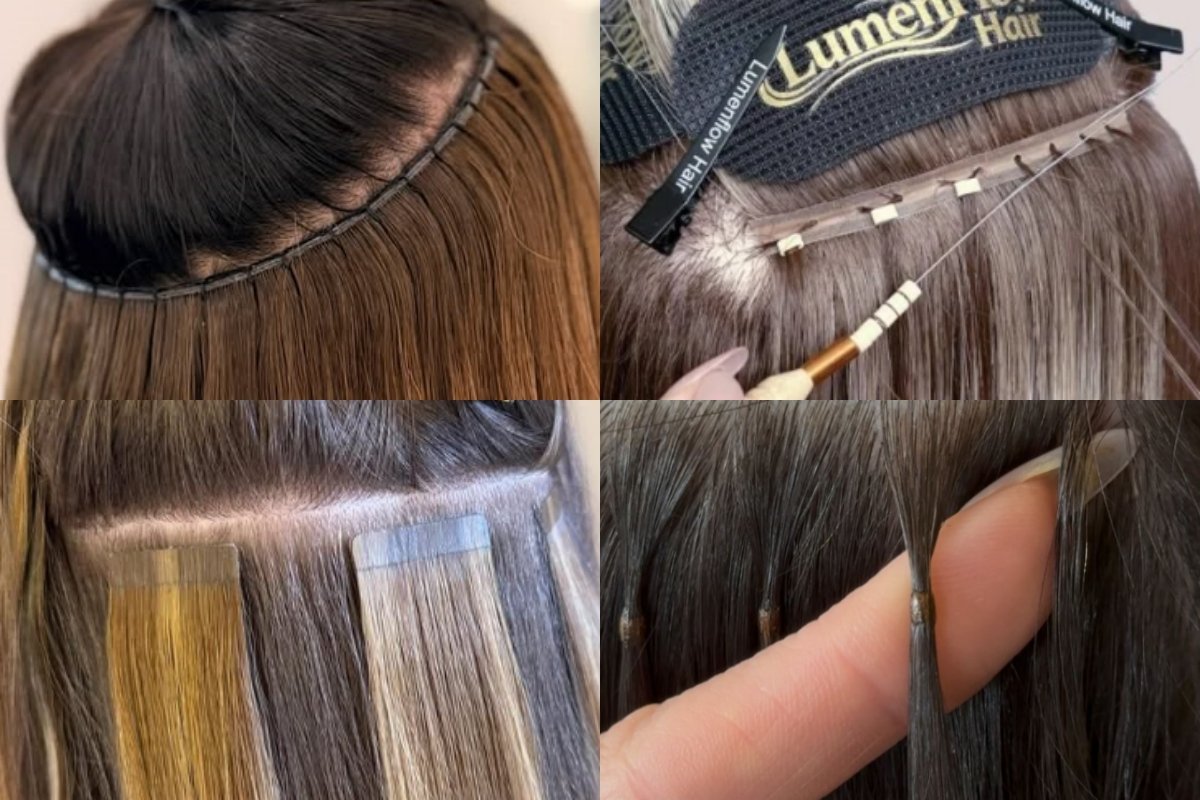
5. Different Extension Methods Slip for Different Reasons
It is useful to avoid treating all extension slippage as the same problem.
Bead-Based Wefts
With bead-supported systems, look at bead size, section size, placement, tension, and how evenly the weight of the weft is distributed.
If several beads are slipping in the same area, that pattern can often tell you more than one isolated bead.
Tape-In Extensions
Tape slippage is often worth checking from a preparation and adhesion perspective.
Product residue, oils around the attachment area, incomplete contact between the tabs, or incorrect sectioning can all affect the installation.
K-Tip Extensions
For K-Tips, consider the natural-hair section, bond formation, placement, and whether the attachment was properly secured during installation.
When multiple bonds begin shedding unusually early, look for a pattern instead of assuming every individual bond failed independently.
6. Aftercare Still Matters
A technically strong installation can still be affected by what happens after the client leaves the salon.
Clients should understand how to care for their attachment points, not just the extension hair itself.
Good habits include:
- Brushing gently and supporting the attachment area
- Keeping heavy oils and conditioners away from the roots and bonds
- Avoiding aggressive pulling when styling
- Drying the root and attachment area thoroughly
- Avoiding sleeping with wet hair
- Following the recommended maintenance schedule
The goal is not to give clients a long list of restrictions.
It is to explain which habits directly affect their extensions and why.
Clients are much more likely to follow aftercare when they understand the reason behind it.
Look for Patterns Before Blaming the Product
When a client returns with slipping extensions, the location of the problem can provide useful clues.
Ask:
Is everything slipping, or only one area?
Are the attachments slipping near the hairline or throughout the entire head?
Did the problem begin immediately or several weeks later?
Are the natural-hair sections still intact?
Is there visible oil or product buildup around the attachment area?
Has the client’s routine changed since installation?
One isolated attachment may have a completely different explanation from widespread slippage across the entire installation.
Taking a few minutes to examine the pattern can help you make a much better assessment.
Better Extension Results Start Before the Installation
Reducing hair extension slippage is not about finding one perfect bead, adhesive, or technique.
It starts with understanding the client in front of you.
Assess the natural hair. Choose the right method. Prepare carefully. Create balanced sections. Control placement and tension. Then make sure the client understands how to care for the installation at home.
At LumenFlow Hair, our professional extension range includes Butterfly Weft, Genius Weft, K-Tip, and Tape-In methods, giving stylists different options for different clients and service needs.
Because the best extension result is not simply one that looks beautiful on installation day.
It is one that is thoughtfully selected, professionally installed, and designed to perform well throughout the client’s wear.