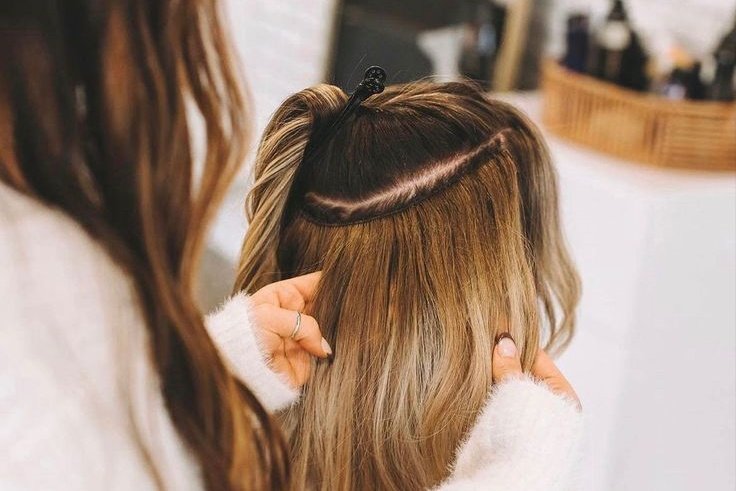
Hair extensions aren’t just about giving someone longer hair.
Behind the chair, we use them for volume, shape, color, and sometimes just to fill the areas where the natural hair needs a little help.
Once you start looking at extensions this way, they become much more than an extra service on the menu.
1. Start With the Clients You Already Have
You probably already have potential extension clients sitting in your chair.
Think about the client who always says her ends feel too thin. Someone who wants more fullness around the sides. A client growing out a shorter cut. Or someone who wants more brightness without lightening her natural hair again.
They may never ask for extensions directly. That doesn’t mean extensions can’t be part of the solution.
A good consultation is less about asking “How can I sell extensions?” and more about asking:
“What is this client trying to achieve — and can extensions help me get her there?”
That makes the conversation much more natural.
2. Extensions Can Do More Than Add Length
Not every extension client needs a full transformation.
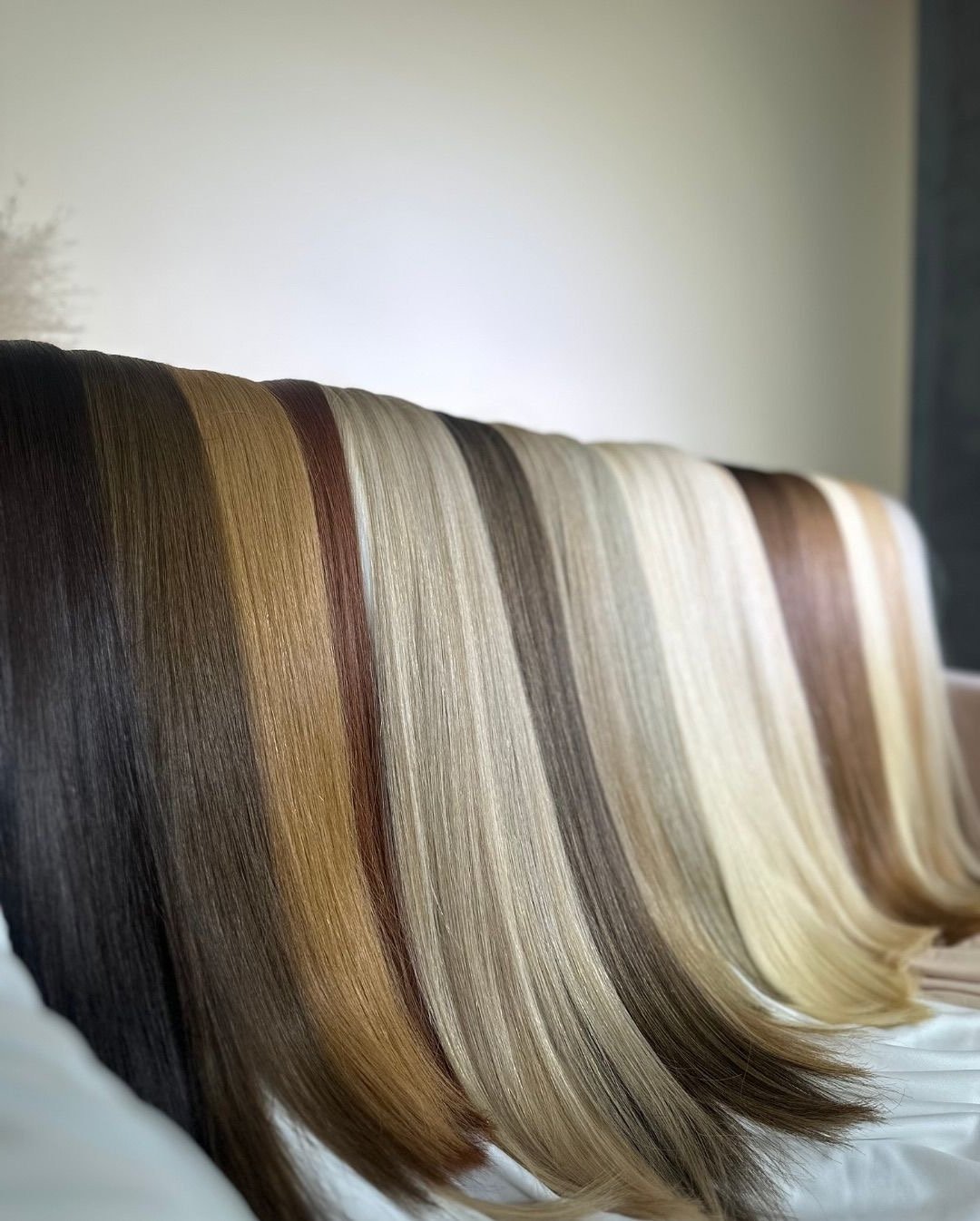
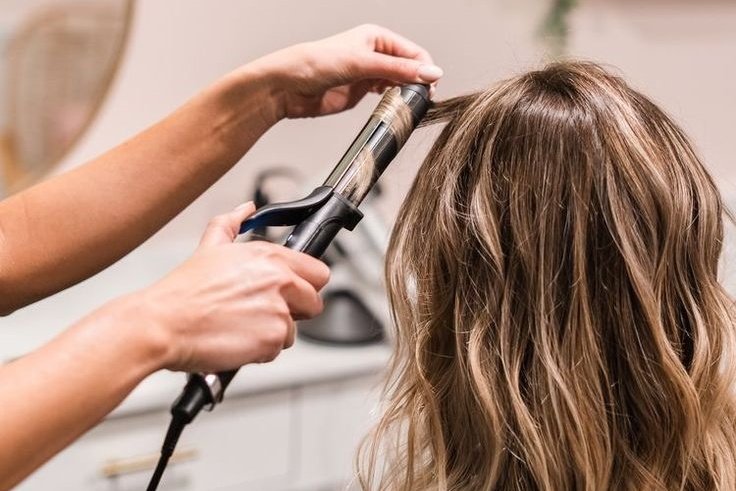
Sometimes a little more hair through the sides balances the shape. Adding fullness through the ends can completely change the way a haircut looks. And the right mix of shades can add dimension without adding more color to the natural hair.
So before deciding how much hair to use, think about the result first.
More hair isn’t always better.
Often, it’s simply about using the right amount of hair in the right place.
3. Choose the Method Around the Client
Once you work with different extension methods, you quickly realize there is no reason to make one technique work for everyone.
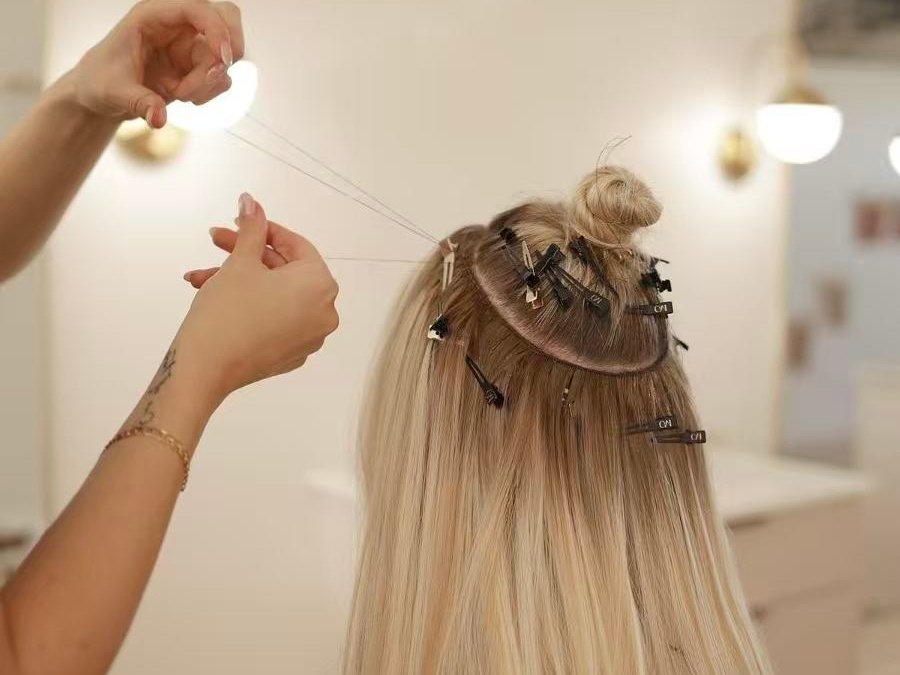
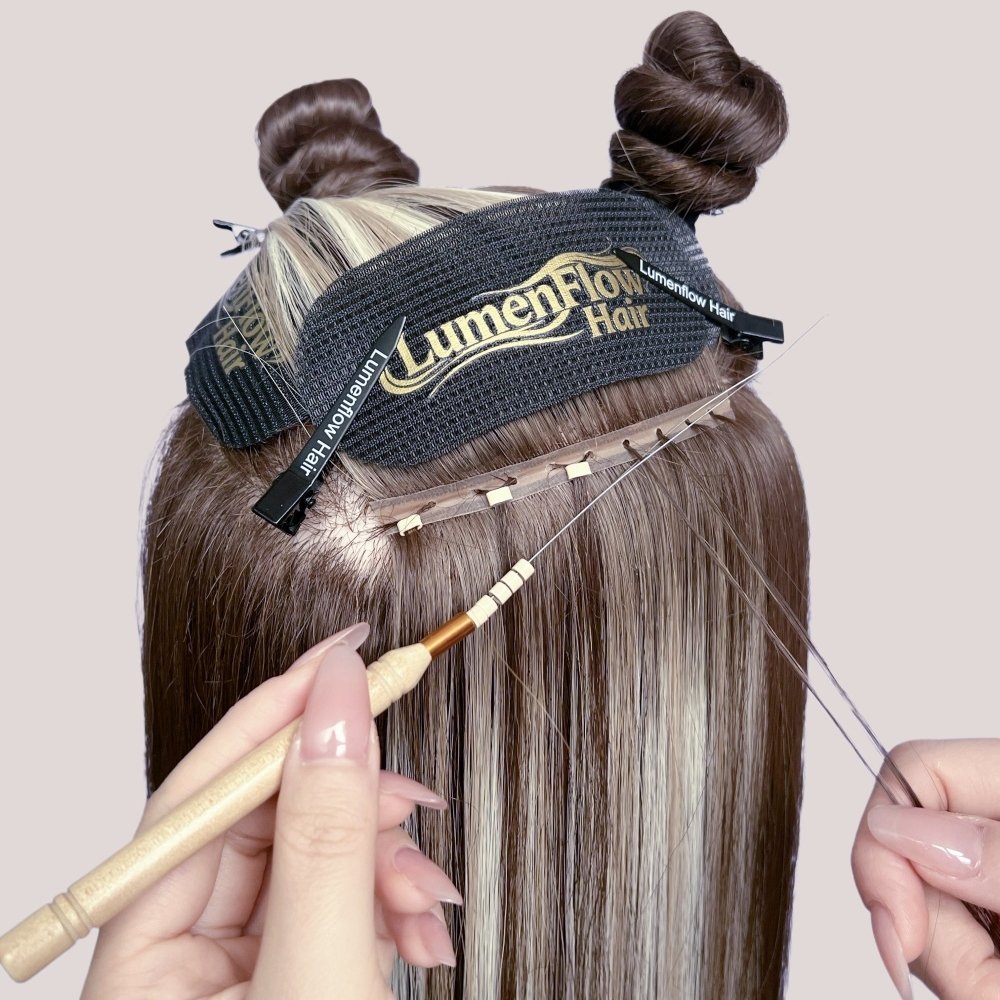
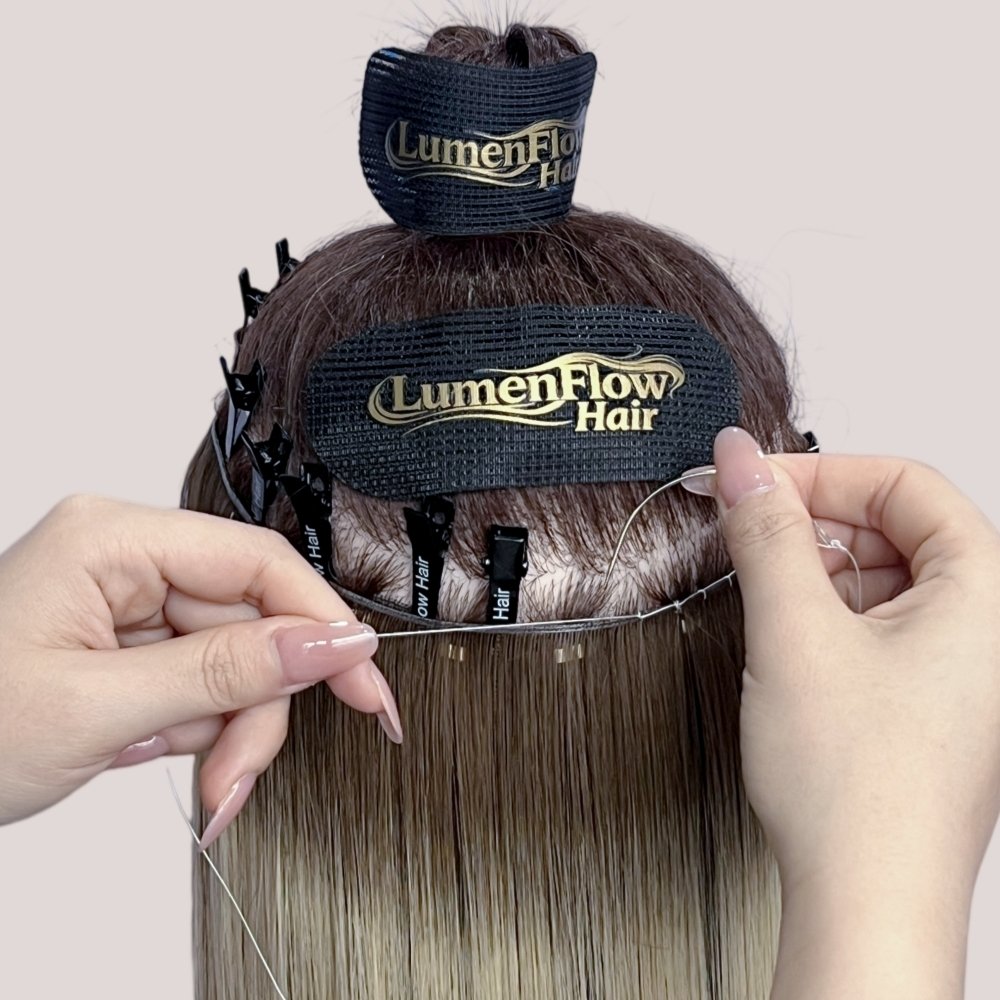
A Butterfly Weft may make sense when you want a flat, beads-only weft installation without sewing.
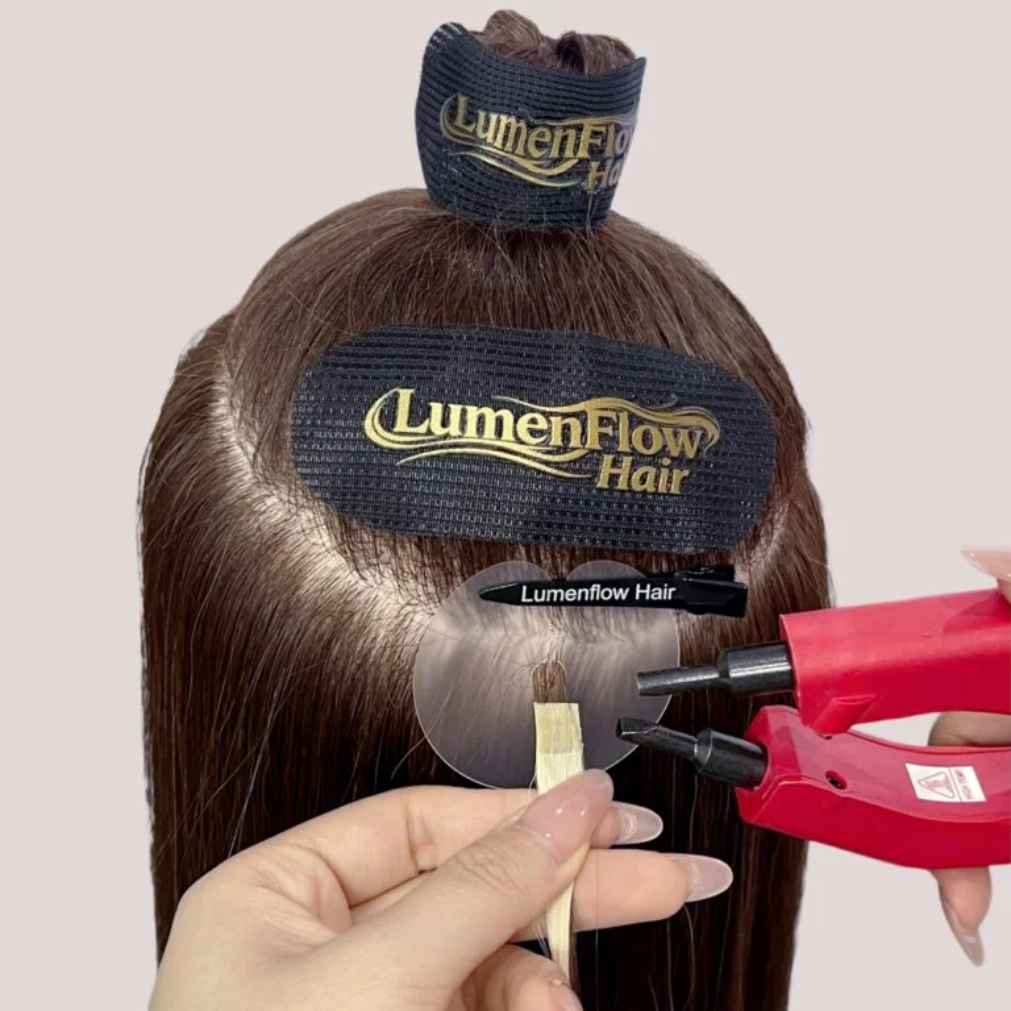
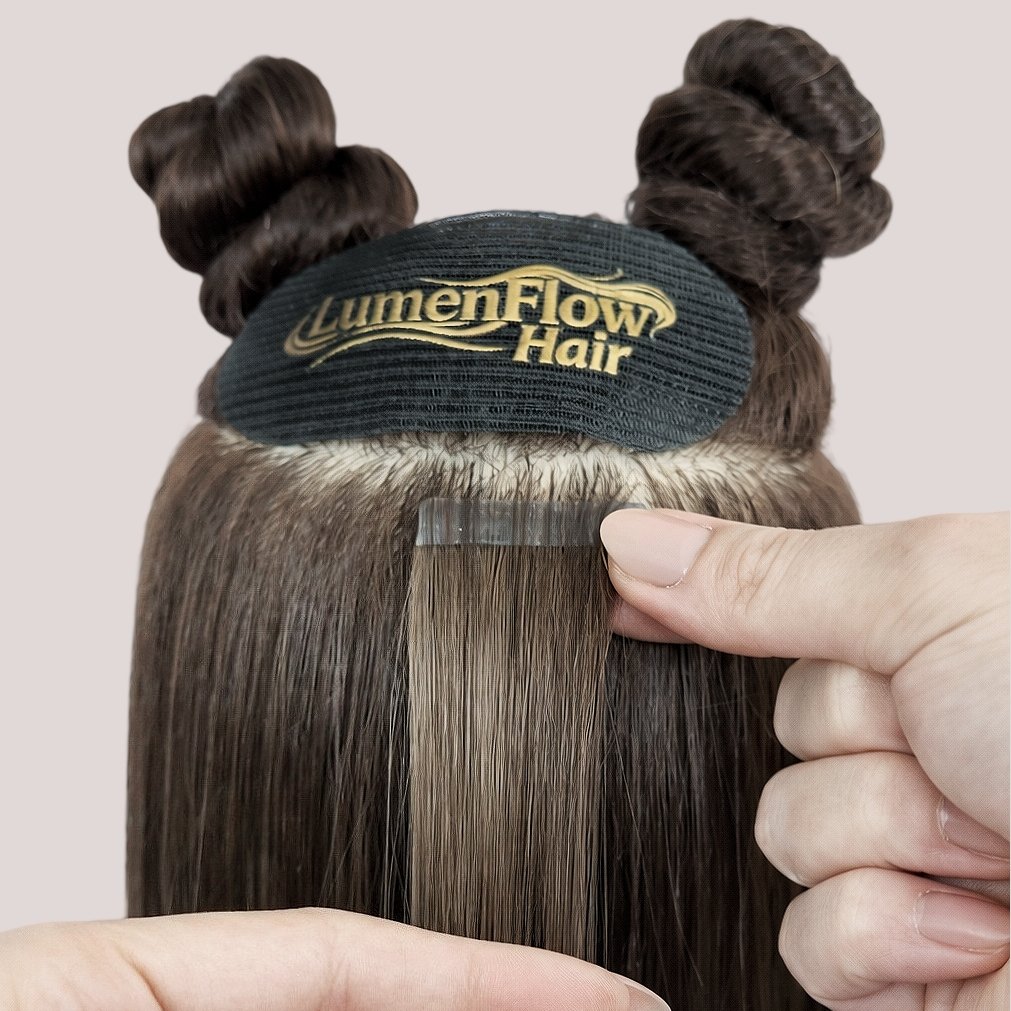
A thin, customizable Genius Weft gives you more flexibility with weft placement. K-Tips give you more control when you need to work strand by strand, while Tape-Ins can be a good option when a flat panel application fits the client better.
None of these needs to be the “best” method.
The best method is the one that makes sense for the hair, the result, and the client in your chair.
At LumenFlow, we offer different professional extension methods for exactly that reason.
4. Think Beyond the First Installation
An extension service doesn’t end when you take the after photo.
There are move-ups, maintenance, removal, replacement hair, and sometimes a completely different plan as the client’s natural hair changes.
That’s why maintenance should be part of the conversation from the beginning.
A client should know when to come back, what to do at home, and what to expect at the next appointment.
For the stylist, this is also where extensions become more than a one-time appointment. When the service is managed well, you are building an ongoing relationship with the client.
A great installation gets attention. A great maintenance experience keeps the relationship going.
5. Learn the Service, Not Just the Installation
Knowing how to attach extensions is one thing. Knowing how to build a complete service around them is another.
You need to understand consultation, method selection, color matching, placement, how much hair to use, removal, maintenance, and aftercare.
That’s what gives you confidence behind the chair — knowing not only how to install extensions, but also when, where, and why to use them.
And that’s also what turns an extension technique into a service your clients can come back to.
Ready to Take Your Butterfly Weft Service Further?
LumenFlow’s online Butterfly Weft Education covers more than the installation itself — from understanding the system and professional application to removal, ongoing service, and certification preparation.
It’s built for stylists who want to feel more confident offering Butterfly Weft as part of their salon services.