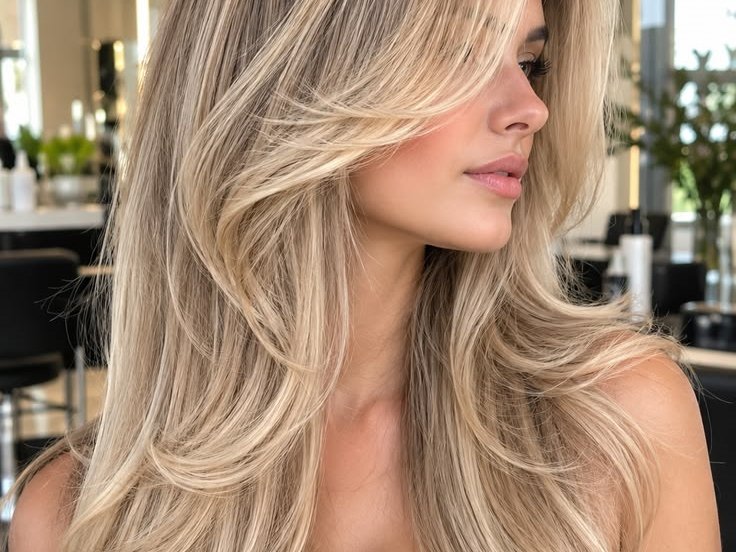
Hair extensions can work beautifully with layered hair when the added length follows the client’s haircut. The main challenge is connecting different lengths within the haircut so the extensions look like part of the original style, not an additional layer underneath.
Stylists should first identify where the visible layers sit and how the added length should continue those sections.
Can Layered Hair Work With Hair Extensions?
Yes.
Layered hair requires a different approach because the haircut already contains multiple lengths.
Before adding extensions, consider:
- where the shortest visible layers end
- where the longest natural layers begin
- which areas need added length
- how the client normally wears their hair
Face-framing pieces, side sections, and back layers may need different transition points.
The goal is to extend the client’s haircut rather than create a separate shape.
How Should Stylists Blend Extensions With Face-Framing Layers?
Face-framing layers are often where extension blending becomes most noticeable.
When a client has shorter pieces around the face and wants longer extensions, avoid creating a sudden jump between the front layers and the added length.
A smoother approach is to:
- keep the face-framing shape
- connect shorter pieces gradually into longer sections
- follow the direction of the front layers
- refine the final shape if the front pieces still appear disconnected
The face-framing area should look like part of the haircut, not a separate section.
How Should Stylists Blend Extensions With Long Layers?
Long layers usually create an easier transition because the length changes are softer.
The main consideration is where the longest natural layer ends and how the extension length continues from that point.
To create a balanced result:
- use the longest natural layer as a reference point
- follow the layer direction
- connect the extension ends with the haircut shape
- evaluate the result with the client’s natural texture and styling
The finished result should look like the haircut has grown longer.
How Should Stylists Work With Heavy Layers?
Heavy layers create stronger changes in shape and volume.
When adding extensions, avoid creating a large amount of weight below shorter layers.
A disconnected result can happen when the natural hair sits heavily on top while the extensions form a separate section underneath.
To improve the blend:
- follow where the haircut already carries weight
- keep the added length connected with the upper layers
- maintain a consistent shape from shorter layers to the ends
The extensions should continue the haircut rather than create a new bottom layer.
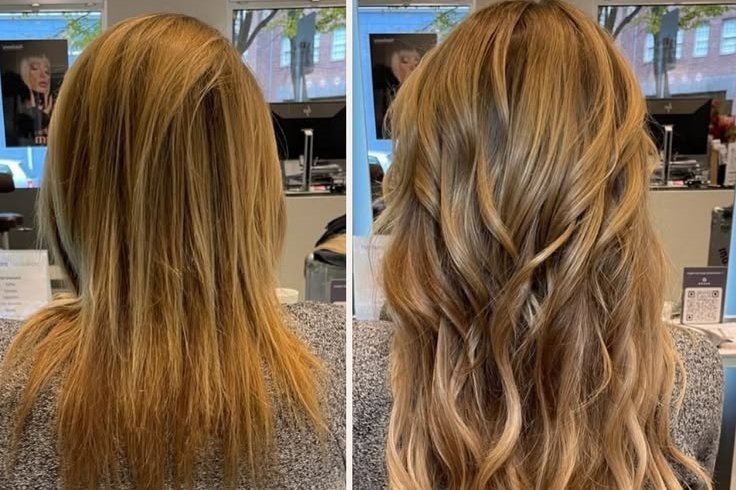
How Should Extensions Follow the Natural Movement of Layers?
Layered hair is not only about different lengths. Each section also moves differently.
The added hair should follow the way each part of the haircut naturally falls.
Face Area
The added hair should continue the direction of the face-framing pieces.
Side Sections
The side sections connect shorter front layers with longer back sections.
Back Sections
The longest natural layers should flow into the extension length.
When each section follows the haircut’s movement, the extensions become part of the overall style.
Should Layered Hair Be Cut Before or After Extensions?
There is no fixed rule.
The decision depends on the client’s haircut and the final shape being created.
If the current layers already support the desired result, only minor refinement may be needed.
If the extension length changes the balance of the haircut, adjustments can be made after installation.
The haircut and extensions should work together as one finished design.
Frequently Asked Questions
Can you put extensions in layered hair?
Yes. Layered hair can work with extensions when the added length follows the client’s haircut.
Why do extensions look separate in layered hair?
Usually because the added length does not connect naturally with the visible layers.
Can layered hair hide hair extensions?
Layered hair can help create a softer blend, but the length and placement still need to follow the haircut structure.
Are face-framing layers harder to blend with extensions?
They can require more planning because shorter front pieces are highly visible.