Hair extension tangling is rarely caused by one single factor. When a client reports tangling, stylists should first identify where the tangling is happening, then evaluate possible causes such as friction, dryness, buildup, lifestyle, maintenance, and installation factors.
Understanding the location of the problem is often the first step toward finding the right solution.
1. Why Does Location Matter When Diagnosing Extension Tangling?
The same tangling complaint can have different causes depending on where it appears.
A stylist should first check:
- Is the tangling happening at the ends?
- Around the attachment area?
- Mostly underneath near the nape?
- Throughout the full length?
Different areas experience different types of friction, movement, and exposure.
Tangling should not automatically be considered a sign of poor-quality extension hair. A professional assessment should look at the entire service and the client’s current habits.
2. Why Do Hair Extensions Tangle at the Nape or Neck Area?
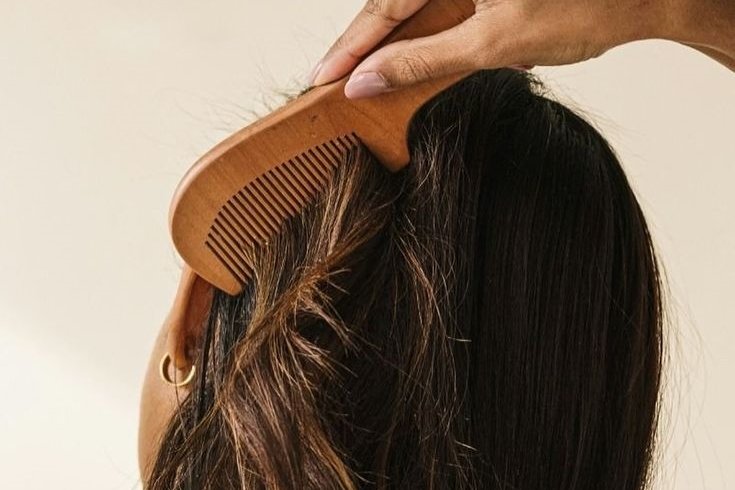
The nape is one of the most common areas where clients notice tangling.
This area experiences frequent friction from:
- shirt collars
- sweaters
- scarves
- jackets
- pillows during sleep
Because the hair constantly rubs against fabric, the strands can become more likely to intertwine over time.
How Can Daily Movement Affect the Nape Area?
Clients with longer extensions may experience more movement and friction around the lower sections of the hair.
Sleeping habits, workouts, and daily styling can all influence how the hair behaves in this area.
The goal is not to avoid normal activities, but to understand how lifestyle factors may contribute to tangling.
3. Why Do Hair Extensions Tangle at the Ends?
The ends of extension hair usually experience the most wear.
Unlike natural hair, extension lengths do not receive natural oils from the scalp, so the ends may become more affected by:
- dryness
- heat styling
- friction
- environmental exposure
When the ends become rougher or less smooth, strands may catch against each other more easily.
How Do Dryness and Heat Styling Affect Extension Ends?
Frequent heat styling or insufficient moisture balance can change how the hair feels and moves.
However, dryness is only one possible factor.
Stylists should also consider product use, maintenance habits, and how the client handles the extensions daily.
4. Why Do Hair Extensions Tangle Around the Roots or Attachments?
Tangling near the attachment area requires a different type of evaluation.
Possible factors include:
- natural hair grow-out
- trapped shed hair
- product buildup
- moisture around the attachment area
- delayed maintenance
As natural hair grows, the attachment area changes, which can affect how the hair moves and interacts.
When Should Root Tangling Be Professionally Assessed?
If tangling becomes concentrated around the attachments, becomes difficult to separate, or starts forming dense knots, the stylist should assess the situation.
Severe matting should not be handled through aggressive brushing or forced separation.
5. What Other Factors Can Increase Tangling Risk?
Tangling is often influenced by several factors working together.
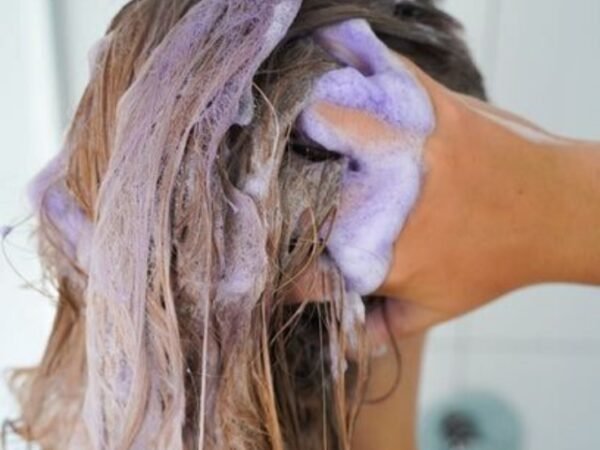
Product Buildup
Heavy residue from products can affect how extension strands move.
Common areas to check include:
- roots
- attachment areas
- mid-lengths
Lifestyle Factors
Ask clients about changes in:
- workout frequency
- swimming
- styling habits
- sleeping routines
- haircare products
These changes may explain why extensions that previously performed well begin tangling.
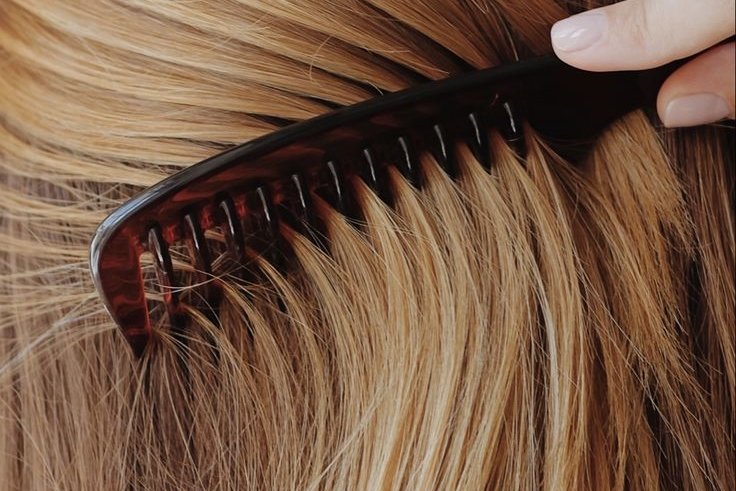
Installation Factors
Installation is not always the direct cause of tangling, but placement, blending, and weight distribution can influence how naturally the extensions move.
A balanced installation should allow extension hair and natural hair to move together.
For more information about professional installation principles, see LumenFlow’s Professional Hair Extension Application Guide.
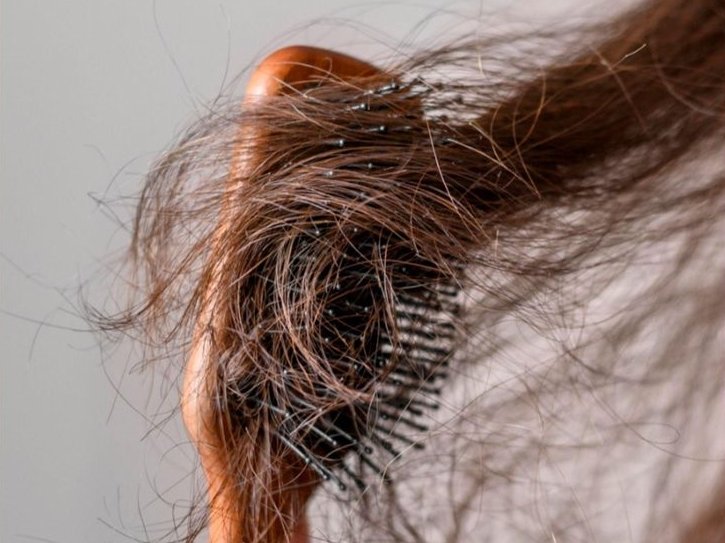
6. When Does Tangling Become Matting?
Tangling and matting are related but different.
Tangling
Usually means strands are becoming intertwined and harder to manage.
Matting
Is a more advanced condition where hair becomes densely tangled and difficult to separate.
Early attention to tangling can help prevent more serious problems.
When matting becomes significant, professional assessment is recommended rather than aggressive brushing or attempting to force the hair apart.
7.How Can Stylists Prevent Tangling From Becoming a Bigger Problem?
A simple troubleshooting process can help identify the likely cause.
Ask:
Where is the tangling happening?
The location can provide the first clue.
When did it start?
Consider whether it appeared after:
- installation
- maintenance
- product changes
- lifestyle changes
What has changed recently?
Look at:
- products
- styling habits
- maintenance timing
- current extension condition
The goal is not to immediately blame the hair or the client.
The goal is understanding what changed and why.
Frequently Asked Questions
Does Tangling Mean Hair Extensions Are Poor Quality?
Not necessarily.
Hair quality can influence performance, but tangling can also be affected by friction, buildup, lifestyle, maintenance, and installation factors.
Why Do Hair Extensions Tangle at the Nape?
The nape experiences frequent friction from clothing, sleeping, and daily movement, which can contribute to tangling.
Can Product Buildup Cause Hair Extensions to Tangle?
Yes. Heavy residue can affect how extension strands move and increase friction between hairs.
What Is the Difference Between Tangling and Matting?
Tangling means strands become intertwined. Matting is a more advanced condition where hair becomes much harder to separate and requires professional assessment.