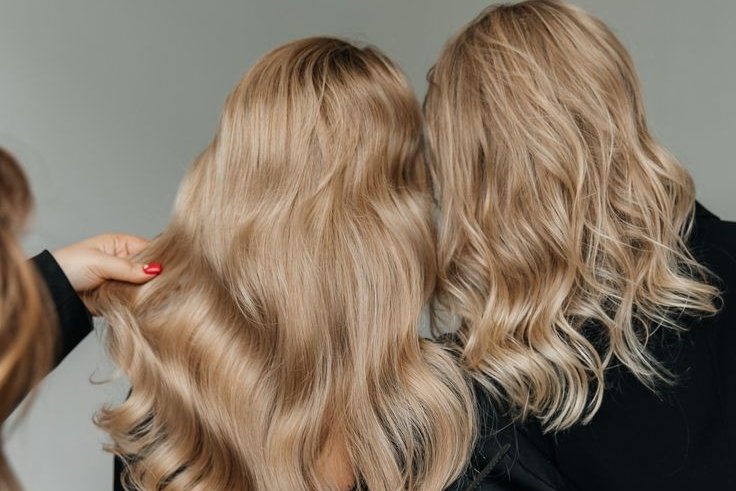
Hair extension maintenance problems rarely come from one single mistake. Professional stylists can prevent many issues by setting clear expectations, explaining proper aftercare, and helping clients understand how daily habits affect their extensions.
A successful extension service does not end when the client leaves the salon. The installation, maintenance plan, and education provided afterward all work together to protect the client’s natural hair and extension investment.
Why Is Client Education Important for Hair Extension Maintenance?
Professional hair extensions require more than a quality installation. The way clients handle their extensions between appointments can directly affect the condition of the hair, attachment areas, and overall wearing experience.
Many common extension concerns, including tangling, matting, buildup, and slippage, develop gradually. In many cases, the issue is not one specific action but a combination of daily habits, product choices, maintenance timing, and lifestyle factors.
A stylist’s role is not only to install extensions but also to help clients understand how to maintain the results they achieved in the salon.
Mistake 1: Treating Hair Extensions Exactly Like Natural Hair
One of the most common mistakes clients make is assuming extension hair can be treated exactly like their own growing hair.
Unlike natural hair, extension hair does not receive nutrients or natural oils from the scalp. It relies on proper cleansing, conditioning, styling, and handling to maintain its appearance.
During the consultation, stylists should explain that extensions need a different approach. Simple habits, such as how clients brush, wash, dry, and style their hair, can make a significant difference in long-term results.
Mistake 2: Using Incorrect Brushing Techniques
Brushing is one of the most important parts of extension maintenance, but incorrect technique can create unnecessary stress on both the extensions and natural hair.
Clients may avoid brushing near attachment areas because they are worried about pulling, or they may brush too aggressively when tangles appear. Both situations can create problems over time.
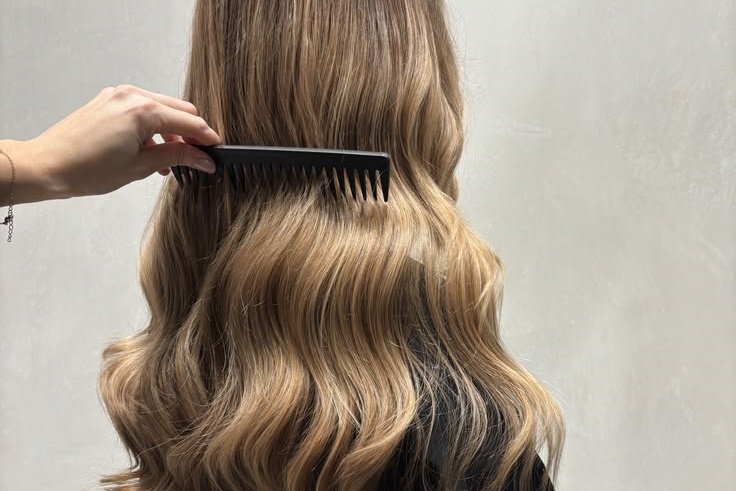
Stylists should demonstrate proper brushing techniques during the appointment, including supporting the hair near the attachment area and working through tangles carefully instead of pulling through resistance.
A good maintenance routine should help clients keep their extensions manageable without creating unnecessary tension.
Mistake 3: Applying Heavy Products Near Attachment Areas
Product buildup around attachment points is another common maintenance concern.
Heavy oils, rich masks, and excessive styling products near the root area can make extensions more difficult to manage and may affect certain attachment methods.
Clients should understand that products are not necessarily the problem. The placement and amount of product matter.
A simple recommendation is to focus conditioning and nourishing products through the mid-lengths and ends while keeping unnecessary residue away from attachment areas.
Mistake 4: Delaying Professional Maintenance Appointments
Hair extensions change as natural hair grows. Regular maintenance allows stylists to check the installation, assess the condition of the natural hair, and address potential issues before they become more difficult to manage.
For LumenFlow extension methods:
- Butterfly Weft maintenance: every 6–8 weeks
- Genius Weft maintenance: every 6–8 weeks
- Tape-In maintenance: every 6–8 weeks
- K-Tip professional check-up: every 6–8 weeks
The exact maintenance experience can vary depending on the client’s hair, lifestyle, and installation. However, consistent professional appointments help maintain the quality of the service and support better long-term results.
Mistake 5: Sleeping With Wet Hair or Leaving Hair Exposed to Excess Moisture
Moisture and friction can create additional challenges for extension wear.
Going to bed with damp hair can increase tangling because the hair moves against bedding while it is more vulnerable to friction. This is especially important around attachment areas where natural hair and extension hair are connected.
Stylists should encourage clients to fully dry their hair before sleeping and develop habits that reduce unnecessary friction overnight.
Small changes in daily routines can help clients maintain smoother, more manageable extensions between appointments.
Mistake 6: Not Understanding How Lifestyle Affects Extension Maintenance
Every client’s lifestyle is different.
A client who exercises frequently, uses styling products often, spends time outdoors, or has a different washing routine may require different maintenance advice compared with another client.
During consultation, stylists should ask questions about:
- Daily styling habits
- Product usage
- Work environment
- Exercise routine
- Previous extension experience
Choosing the right extension method is not only about the final look. It is also about creating a maintenance routine that fits the client’s lifestyle.
How Can Stylists Create Better Hair Extension Aftercare Conversations?
The best maintenance results usually start before the client leaves the salon.
Instead of giving clients a long list of rules, stylists can explain the reasons behind each recommendation.
A professional aftercare conversation should cover:
- How to brush and handle the extensions
- How to wash and dry the hair properly
- Where to apply conditioning and styling products
- When to schedule the next maintenance appointment
- What signs require professional attention
Clients are more likely to follow maintenance advice when they understand how it protects their investment and the quality of their extension service.
How Better Maintenance Education Improves Extension Results
Hair extension success is a partnership between the stylist and the client.
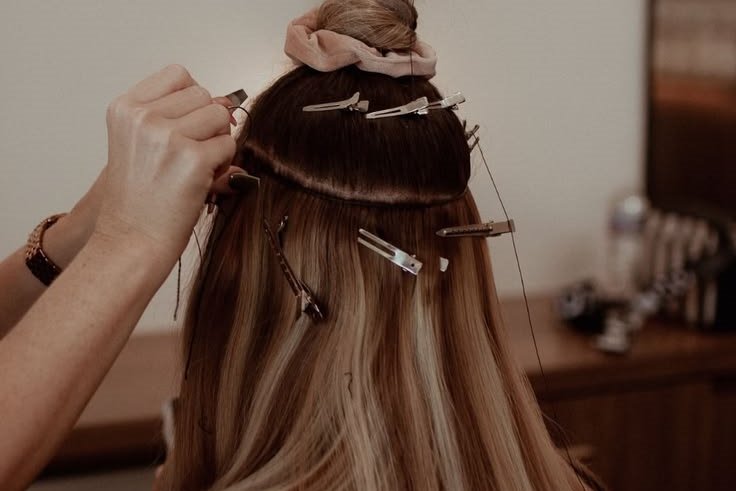
A professional installation creates the foundation, but consistent maintenance helps protect the final result. When stylists provide clear guidance, clients are more confident, and potential issues can often be identified earlier.
For stylists who want to improve their technical skills and understanding of professional extension methods, LumenFlow Hair provides online education designed around real extension techniques, including installation knowledge and professional certification.
Learning how to install extensions is only one part of becoming a successful extension specialist. Knowing how to guide clients through the entire extension journey is what creates better long-term results.
FAQ
What is the biggest hair extension maintenance mistake clients make?
One of the most common mistakes is treating extensions exactly like natural hair without understanding that extension hair requires different handling, products, and maintenance habits.
How often should hair extensions be professionally maintained?
Maintenance timing depends on the extension method and client situation. LumenFlow recommends professional maintenance every 6–8 weeks for Butterfly Weft, Genius Weft, and Tape-In methods, while K-Tip clients should have a professional check-up every 6–8 weeks.
Can product buildup affect hair extensions?
Yes. Heavy residue around attachment areas can make extensions more difficult to manage and may affect certain installation methods.
Should clients wait until they have problems before booking maintenance?
No. Regular maintenance appointments allow stylists to assess the extensions, natural hair, and attachment areas before small concerns become larger problems.