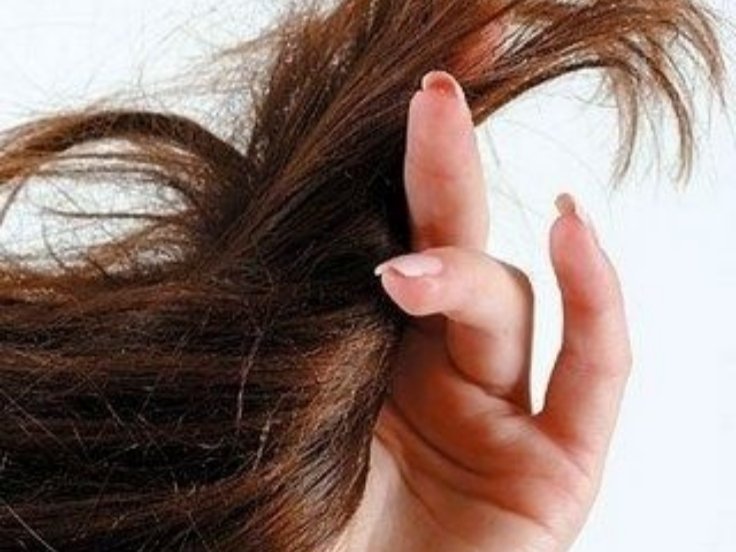
As fall begins, some clients may notice that their hair extensions feel drier, rougher, or more frizzy than they did during summer.
Seasonal changes can contribute, but they are rarely the only cause. Heat styling, clothing friction, product buildup, washing changes, water quality, chemical services, and previous summer exposure can all affect how extension hair feels.
When a client says, “My extensions suddenly feel dry,” start with three things: where the change is happening, when it started, and what changed beforehand.
Why Can Fall Make Hair Extensions Feel Drier or Frizzier?
Extension hair does not receive natural scalp oils in the same way as hair growing directly from the scalp, so changes in environment and routine can become more noticeable through the mid-lengths and ends.
In cooler, drier climates, lower humidity and indoor heating may leave the hair feeling rougher or more static-prone. In wetter climates, rain, wind, and humidity may show up more as frizz.
Fall also means more contact with scarves, sweaters, coats, and higher collars, especially around the nape and lower lengths.
The hair may also still be showing the effects of summer sun, swimming, salt water, chlorine, travel, or frequent styling.
For more on seasonal exposure, see our Summer Hair Extension Care Guide.
Has Heat Styling Increased?
A change in heat-styling habits is worth checking when extension hair begins to feel different.
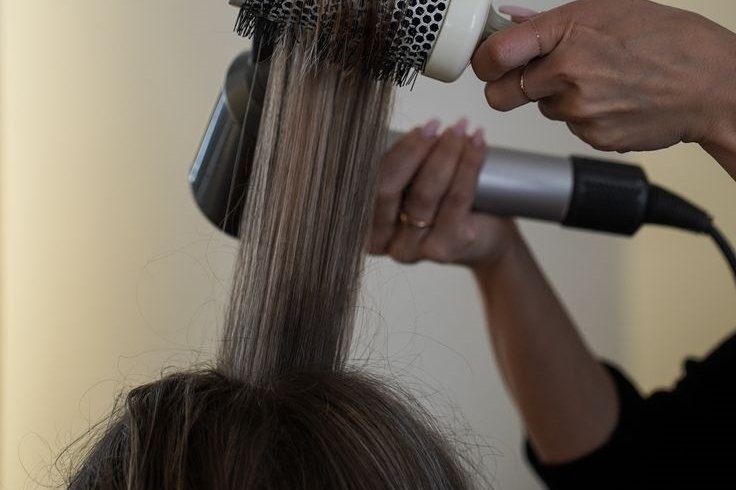
As temperatures drop, some clients start blow-drying more frequently. Wind, rain, or humidity may also lead to more frequent use of straighteners or curling tools.
Look at whether the frequency, temperature, or technique has changed. Repeatedly styling the same sections or making multiple passes over the lengths can gradually affect how the hair feels.
Could Washing or Product Buildup Be Changing the Texture?
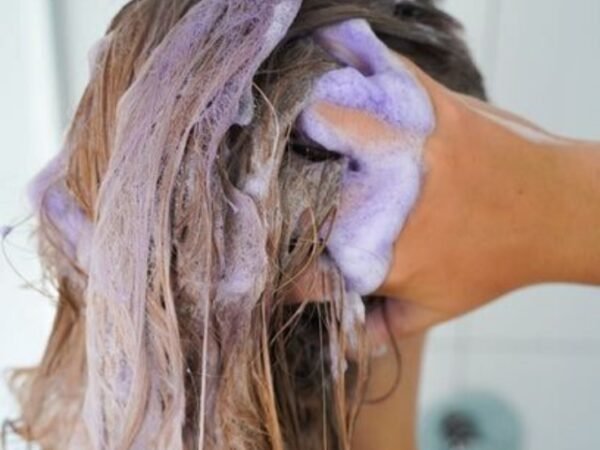
Recent changes in shampoo, cleansing frequency, conditioner, masks, oils, leave-ins, or styling products can all affect extension hair.
Clients who notice dryness often begin adding more conditioning or smoothing products. But repeated layering can also create buildup, leaving the hair feeling stiff, dull, heavy, or coated.
Dryness and buildup can feel similar to the client, so adding more product is not always the right first response.
If the cleansing routine needs to be reviewed, see our How to Wash Hair Extensions Guide.
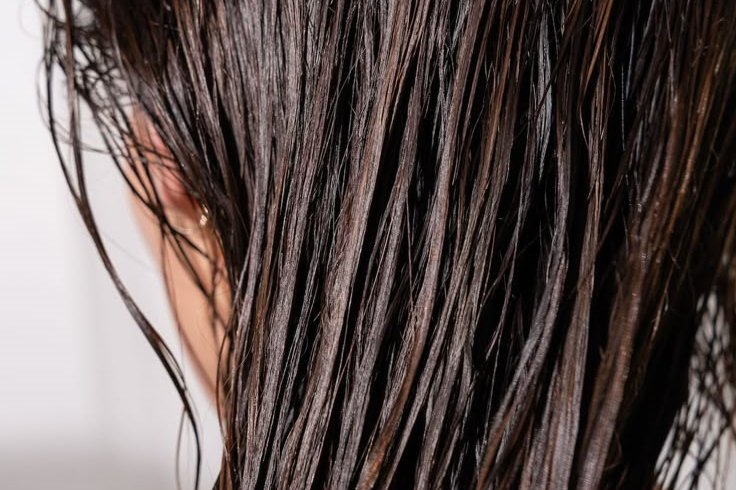
Can Water Quality Affect Extension Hair?
Water quality is another factor to consider when the client’s routine has stayed relatively consistent but the hair has gradually changed.
Minerals in water can build up on the hair over time and may affect texture, appearance, or how products perform.
This is especially worth checking if the problem began after moving, traveling, or changing water sources.
Water should not automatically be blamed, but it can be part of the client’s recent hair history.
Could Coloring or Toning Be Part of the Change?
Recent chemical services should also be considered.
If the extensions were toned, colored, or otherwise chemically processed, compare the timing of that service with the change in texture.
Was the hair already feeling rough beforehand? Did the change appear afterward? Is it happening throughout the entire set or mainly in the areas that were processed?
The timeline can often provide more useful information than simply knowing that the hair has been colored.
Is It Dryness, Frizz, Buildup, or Tangling?
These problems can overlap, but they are not the same.
Dryness generally shows up as reduced softness or increased roughness through the lengths and ends.
Frizz appears when the strands no longer sit together as smoothly.
Buildup may leave the hair feeling coated, stiff, dull, or heavy.
Tangling becomes more noticeable when strands repeatedly catch and intertwine.
If knotting is becoming the main problem rather than the texture itself, see our Hair Extension Tangling Causes Guide.
Identifying which change appeared first can make the rest of the assessment much easier.
Does Dry or Frizzy Hair Automatically Mean Poor Hair Quality?
No single symptom is enough to make that conclusion.
Hair quality and current hair condition should be part of the assessment, but so should heat exposure, friction, product use, water, environmental conditions, chemical services, and general wear.
Client aftercare should not automatically be blamed either.
A better assessment looks at how the hair performed previously, when the problem started, whether it affects the entire set or only certain areas, and what changed before the texture became noticeable.
What Should Stylists Check First?
When a client reports dry or frizzy extensions, start with four questions.
Where is the change happening?
Is it mainly through the ends, mid-lengths, nape, or the entire set?
When did it start?
Did the texture change suddenly or gradually?
What changed recently?
Review heat styling, products, washing, swimming, travel, water, clothing friction, and recent color services.
What does the hair actually feel like?
Dry, rough, frizzy, coated, stiff, or increasingly tangled?
These answers usually give a clearer direction than immediately adding another product to the routine.
Frequently Asked Questions
Why do hair extensions feel drier in fall?
Changes in humidity, indoor heating, heat styling, clothing friction, and previous summer exposure can all make dryness more noticeable during fall.
Can scarves and coats make hair extensions frizzy?
Repeated friction from scarves, sweaters, and coat collars can affect the nape and lower lengths, particularly when the problem is concentrated in those areas.
Can too much product make extensions feel dry?
Product buildup can make extension hair feel stiff, dull, heavy, or coated. Clients may interpret that texture as dryness, which is why adding more oil or masks is not always the right first step.
Why have my hair extensions suddenly become rough?
Look for recent changes in heat styling, washing, products, water, travel, swimming, environmental exposure, or chemical services. When and where the change appeared can help narrow down the likely cause.