Hair extension client records should make future appointments easier, not create extra paperwork.
A useful record captures the details that affect the service—from the client’s goals and natural hair assessment to the method, color, length, quantity, placement, and maintenance history.
The goal is simple: when the client returns, you should not have to rely on memory to understand what was done, what worked, and what may need to change.
Why Do Hair Extension Client Records Matter?
Hair extensions are rarely a one-appointment service.
A client may return for maintenance, reinstallation, removal, new hair, a color change, or an adjustment to the original service plan. Over time, her styling habits and goals may also change.
Without clear records, small but useful details can easily be forgotten.
Which shades were used? How much hair was installed? Was the placement adjusted because the client frequently wears her hair up? Did one area need extra attention at the last maintenance appointment?
Good records give the stylist a reference point instead of requiring each visit to start from memory.
They also make it easier to compare what the client originally wanted with how the service actually performed over time.
A practical client record should therefore follow the full service journey:
Consultation → Installation → Maintenance → Changes for the Next Visit
What Should Be Recorded During the First Consultation?
The first consultation creates the baseline for the client’s extension service.
Start with the information that can influence method selection, color planning, hair quantity, placement, and future maintenance.
Useful details may include:
- current length and density
- desired length or fullness
- extension method being considered
- color or shade combination
- expected amount of hair
- lifestyle and styling habits
- maintenance expectations
The goal is not to write down every word the client says.
Focus on information that may matter later when you install, reorder, maintain, or adjust the extensions.
For example, if the client regularly wears high ponytails, works out frequently, or wants volume without adding much length, those details may influence the service plan.
For a more complete pre-installation assessment, see LumenFlow’s Hair Extension Consultation Checklist.
What Should Stylists Record After Installation?
The installation record should reflect what was actually done—not only what was planned during consultation.
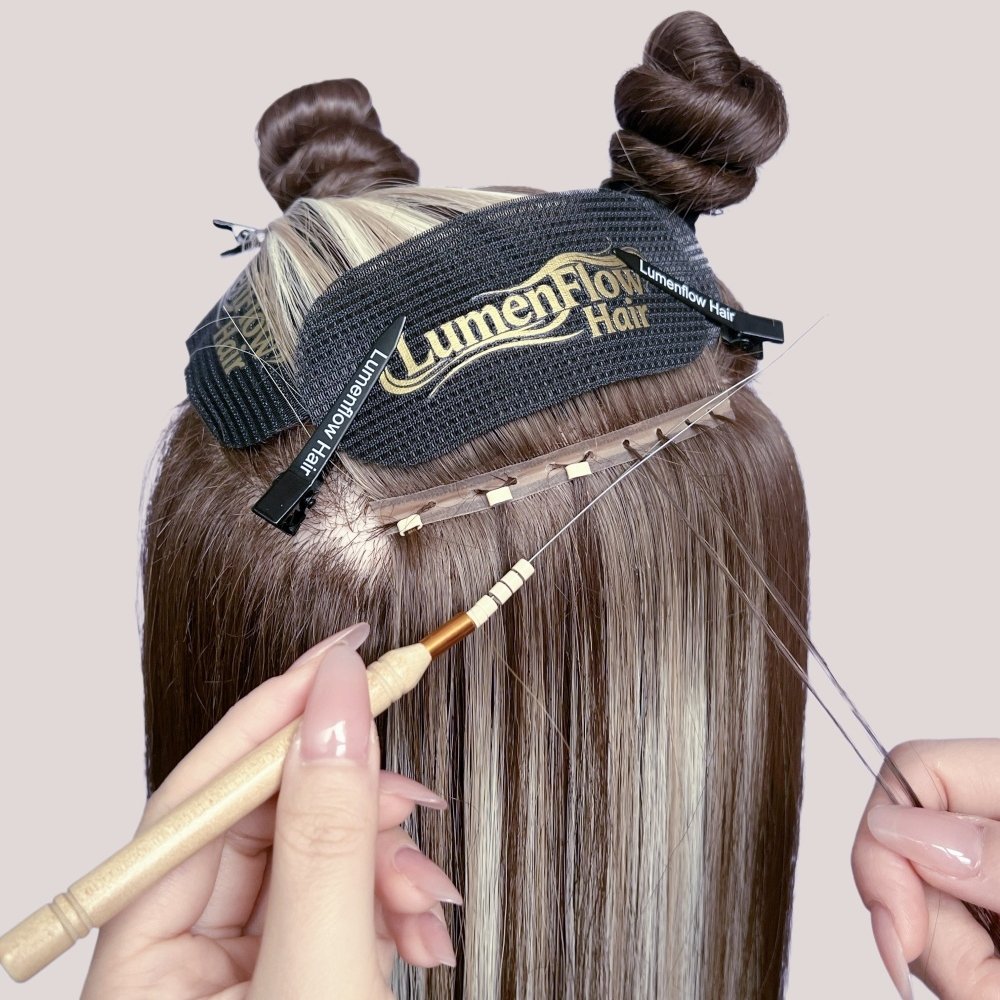
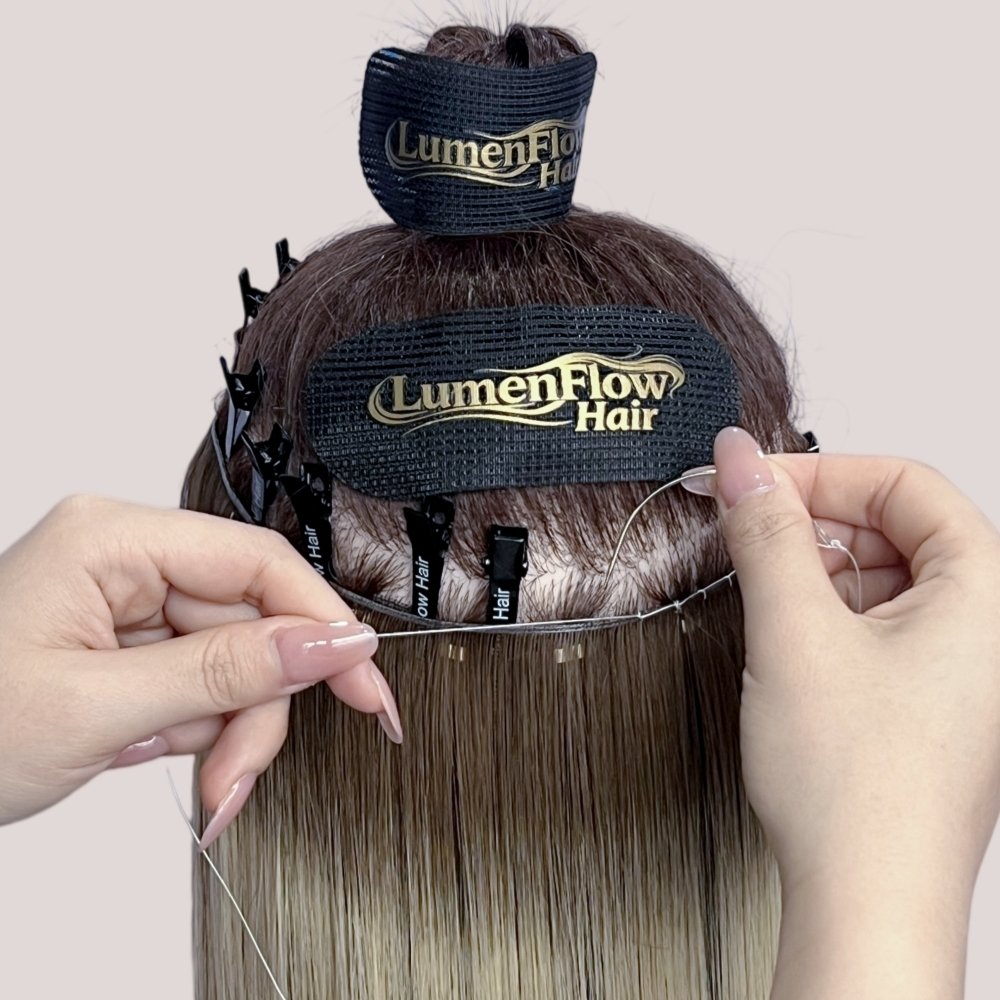
Once you begin working with the client’s hair, the original plan may need small adjustments. You may change the amount of hair, placement, blending, or final shape based on what you see during the service.
After the appointment, record the details you would want to know if the client returned several weeks later.
That may include:
- extension method used
- shades used
- length
- amount of hair installed
- placement notes
- blending or cutting notes
- installation date
- adjustments made during the service
Placement notes can be especially useful for repeat clients.
For example, you may have changed placement to improve coverage in one area or adjusted the service because of how the client normally styles her hair.
Those details are easy to forget several appointments later, but they can be useful when planning the next installation or maintenance service.
The record does not need to become an overly technical chart. It simply needs to preserve the decisions that made the service work for that client.
What Should Be Updated at Maintenance Appointments?
The consultation tells you what the client wanted. The installation record tells you what was done.
Maintenance shows you how that plan actually worked in daily life.
This is why the client record should continue to evolve after the first installation.
At maintenance appointments, useful notes may include:
- grow-out
- attachment condition
- tangling or buildup
- areas that required extra attention
- client comfort or feedback
- adjustments made during the appointment
- changes to consider for the next service
A client’s routine may change between visits.
She may start wearing her hair up more often, decide she wants less fullness, change her color, or find that a previous placement does not work as well with her daily styling.
Those details should influence future planning.
Maintenance should not automatically mean repeating the previous service exactly as it was. The record helps the stylist identify what should stay the same and what should be adjusted.
For more client-care guidance, see LumenFlow’s article on hair extension maintenance mistakes stylists should help clients avoid.
What Makes a Hair Extension Client Record Actually Useful?
A useful record should be clear, consistent, and easy to review.
Vague notes are difficult to use later.
Writing:
“Brown extensions, full head”
gives very little information compared with recording the actual shades, length, quantity, method, and any placement or blending changes that mattered.
At the same time, more information is not always better.
Avoid filling the record with details that have no effect on the service. Focus on the professional information that can help you make the next appointment easier to plan.
Using the same structure for every client can help.
For example:
Consultation
→ What the client wants
Installation
→ What was actually done
Maintenance
→ How the service performed
Next Visit
→ What should stay the same or change
The record can live in booking software, a salon CRM, or a simple internal form.
The system matters less than making sure the information is accurate, easy to find, and updated when the service changes.
How Can Client Records Improve Repeat Appointments?
Once the information is organized clearly, repeat appointments become easier to plan.
Instead of trying to remember which shade, length, quantity, or placement worked last time, the stylist has a reliable starting point.
This can also make reordering more efficient.
If the client wants the same result again, you already know what was used. If she wants something different, you can compare the new request with the previous service instead of starting from zero.
Records can also help when multiple stylists work with the same client.
Clear notes give the next professional context before making new decisions, which can improve continuity within the salon.
Good client records connect one appointment to the next.
They help stylists remember what worked, recognize what changed, and make better-informed decisions at the next service.
The goal is not more paperwork.
It is better continuity for both the stylist and the client.
FAQ
What should be included in a hair extension client record?
Record the details that affect the service, including the client’s goals, natural hair assessment, method, color, length, amount of hair, placement notes, installation date, and maintenance updates.
Should stylists update client records after every maintenance appointment?
If something relevant changes, yes. Maintenance notes can help track grow-out, attachment condition, client feedback, and adjustments for the next visit.
Why are placement notes useful for extension clients?
They help the stylist remember what worked for that client’s density, coverage needs, styling habits, and previous installation.
Do hair extension client records need to be complicated?
No. A simple, consistent record is often more useful than a detailed system that is difficult to maintain. Focus on information that will help with future service planning.