A professional hair extension consultation should confirm the client’s goals, natural hair condition, density, current length, lifestyle, method suitability, desired length and fullness, color match, and maintenance commitment before hair is ordered or installed. The consultation should guide the extension plan—not simply confirm a method the client has already chosen.
Hair Extension Consultation Checklist at a Glance
Before finalizing an extension service, a stylist should be able to answer these questions:
- What does the client actually want to change?
- What is their previous extension and chemical-service history?
- What condition is the natural hair currently in?
- Does the natural hair have enough density and strength to support the planned service?
- What is the current haircut and starting length?
- Is the goal length, volume, or both?
- Which extension method best fits the client?
- How much extension hair is appropriate for the planned result?
- What shades and tones are needed for a natural blend?
- Does the client understand the maintenance commitment?
- Are the client’s expectations realistic?
- What details need to be recorded for the installation and future appointments?
The checklist creates a framework, but the final recommendation still depends on professional judgment.
What Does the Client Actually Want to Change?
Start with the result, not the method.
A client may arrive asking for Tape-Ins, K-Tips, or a weft because they have seen that method online. That does not necessarily mean it is the best choice for their hair or lifestyle.
Length, Volume, or Both?
Ask the client what they actually want to see when they look in the mirror.
Someone who only wants fuller ends requires a different plan from a client looking for a major length transformation. Length and fullness should be discussed separately because they affect placement, blending, and the amount of extension hair needed.
Avoid assuming that “longer hair” automatically means adding as much hair as possible. The goal is to create enough density through the finished length for the result to look balanced.
Review Reference Photos Carefully
Reference photos are useful, but they should be treated as a conversation tool rather than a guarantee.
Ask what the client likes about the image: the length, fullness, texture, color, shape, or overall finish. Two clients can show the same photo while wanting completely different parts of the result.
This is also the right time to explain where their own starting length, density, haircut, and texture may affect the final outcome.
What Should Stylists Assess in the Natural Hair?
The natural hair determines what the extension plan can realistically support.
Before choosing a method or ordering hair, assess density, strand strength, current length, haircut, visible condition, and any concerns around the scalp or attachment areas.
Density and Strand Strength
Density tells you how much natural hair is available to support and conceal the extensions. Strand strength helps you judge how much load individual sections can reasonably manage.
Fine hair and low-density hair are not the same thing. A client can have fine strands with enough overall density for a carefully planned extension service, while another client may need a lighter approach.
For a deeper assessment framework, see LumenFlow’s guide to choosing extensions for fine or thin hair.
Current Length and Haircut
Starting length affects both extension selection and blending.
A blunt cut, heavy perimeter, short layers, or a large difference between the client’s natural length and target length may require a different approach than adding modest length to already-long hair.
The haircut should be considered before deciding how much hair to order or where the final extension length should sit.
Natural Hair and Scalp Condition
Look for visible breakage, unusual shedding, irritation, or other concerns that may affect the service.
Stylists do not need to collect a full medical history or diagnose scalp conditions. If the client reports persistent scalp pain, unusual hair loss, previous reactions, or another concern that falls outside normal salon assessment, recommend appropriate professional medical evaluation before proceeding when necessary.

How Should the Extension Method Be Chosen?
The consultation should determine the method, not the other way around.
Method selection should consider the client’s natural hair condition, density, strand strength, desired result, concealment needs, lifestyle, styling habits, and willingness to maintain the extensions professionally.
A client who wears their hair up frequently may have different placement needs from someone who wears it down most of the time. A client who is unwilling to return for regular professional maintenance may also be a poor fit for certain services.
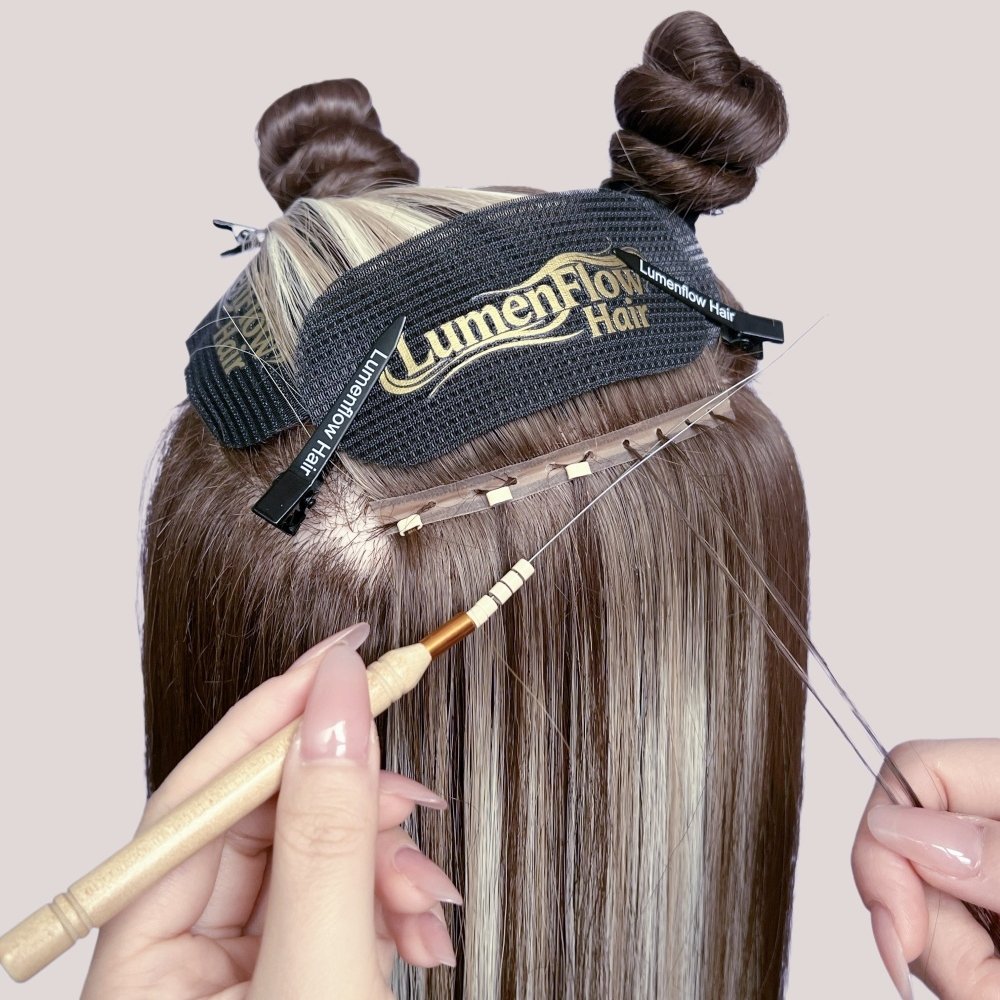
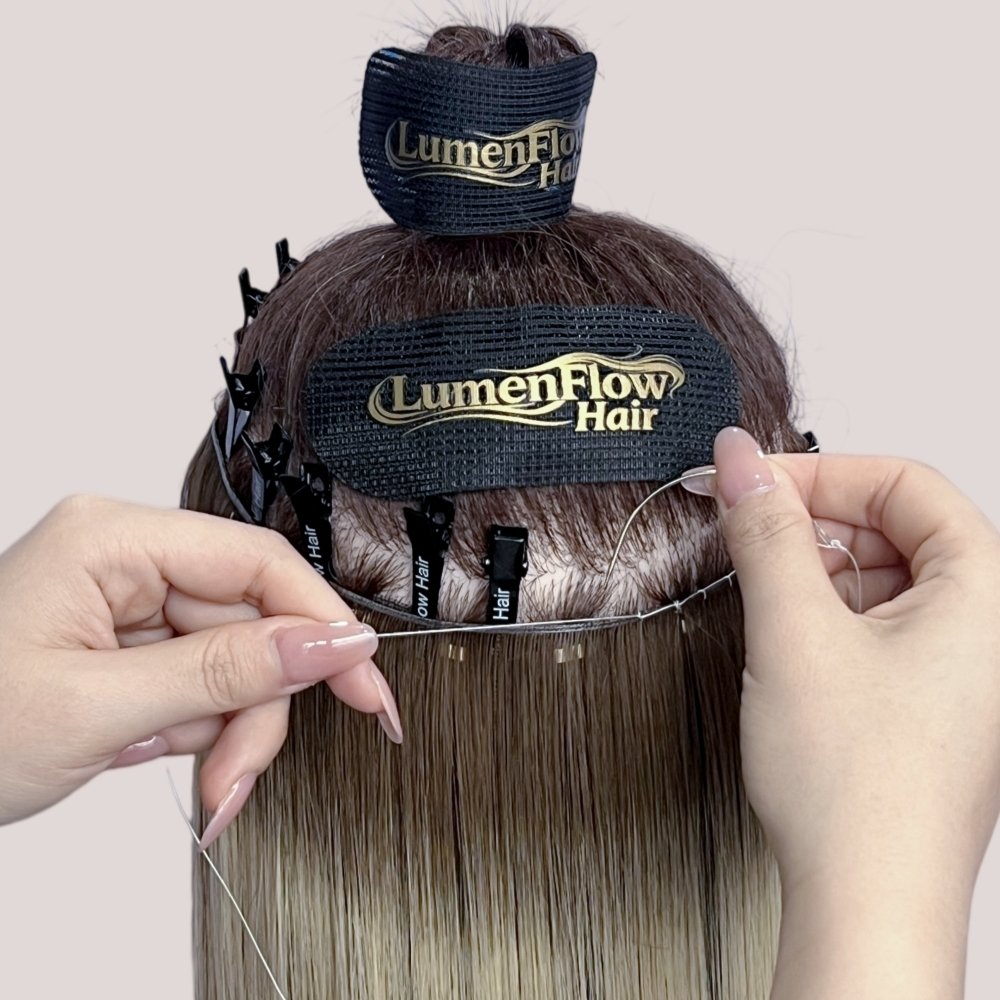
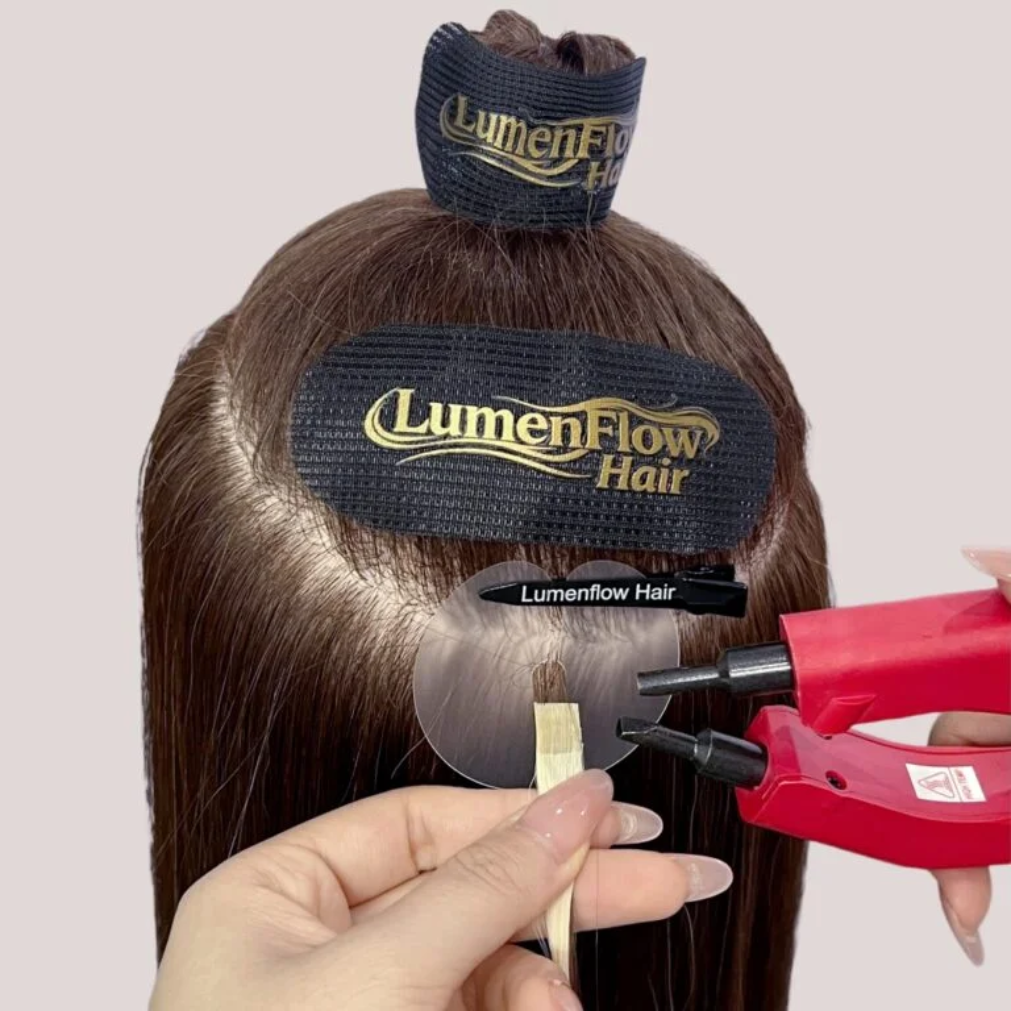
LumenFlow offers multiple professional methods, including Butterfly Weft, Genius Weft, Tape-In, and K-Tip, because different attachment systems suit different installation plans. There is no single method that should automatically be assigned based on hair type alone.

How Should Stylists Plan Length and Hair Amount?
Length planning should begin with where the client wants the finished hair to fall, not simply with an inch number.
Confirm the Finished Length
A client may say they want 20-inch or 22-inch extensions without knowing how that length will actually appear on their body.
Height, proportions, starting length, placement, and finished texture all affect the visual result. LumenFlow’s hair extension length guide can be used during consultation to help explain those differences.
Plan Fullness Separately From Length
Added length needs enough density through the ends to blend naturally with the client’s own hair.
A client whose natural hair is already close to the target length may mainly need fullness. A larger length transformation can require a different density plan to avoid a disconnected transition between the natural hair and extensions.
Avoid One Universal Gram Formula
There is no single amount of hair that works for every client.
The planned quantity should reflect natural density, starting length, desired finished length, desired fullness, chosen method, haircut, and placement plan.
The same principle applies to row counts, bonds, or Tape-In pieces. Those numbers should come from the individual consultation rather than a universal formula.
How Should Color Be Confirmed?
Color matching should be completed before ordering whenever possible.
Look beyond the root. Mid-lengths and ends often provide a more useful reference for the extension blend, especially when the client has highlights, balayage, rooted color, or dimensional tones.
Assess depth, undertone, and dimension rather than trying to force the entire result into one shade.
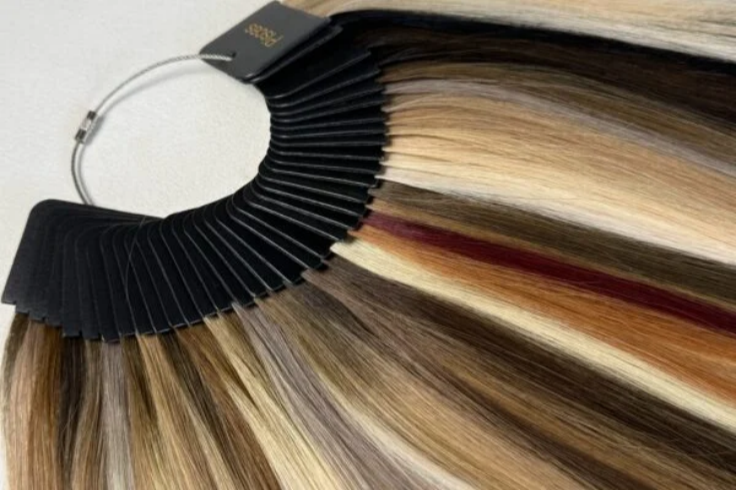
A physical real-hair color ring can help make the comparison more accurate, and multiple shades may be combined when the client’s natural hair contains more than one visible tone.
For the full process, see LumenFlow’s professional hair extension color matching guide.
Record the Shade Formula
Do not rely on memory for future appointments.
Record the shade codes, shade combinations, selected method, and any relevant placement notes. This makes repeat orders and future maintenance much easier to reproduce consistently.
What Maintenance Should Be Discussed Before Installation?
Maintenance should be part of the consultation, not a surprise after the first installation.
Explain that professional extensions require ongoing appointments and that the maintenance process differs by method. A move-up, Tape-In reinstallation, and K-Tip check-up are not the same service even when the appointment windows may be similar.
Clients should also understand that retention depends on both professional installation and what happens between appointments.
Ask whether they are realistically willing to follow aftercare instructions and return for professional maintenance. If they are not, that may affect the method you recommend—or whether extensions are appropriate at that time.
What Should Be Recorded Before the Client Books?
A clear consultation record helps keep the installation consistent and reduces misunderstandings later.
At minimum, record the agreed goal, selected method, target length, color formula, planned hair amount, relevant placement considerations, maintenance expectations, and final service plan.
Reference photos can also be saved when appropriate, along with notes explaining what part of the image the client is trying to achieve.
The record should reflect the plan you actually agreed on rather than a generic consultation template.
When Should a Stylist Pause the Extension Plan?
Not every consultation should end with an installation booking.
If the natural hair does not appear able to support the planned service, the client has significant visible breakage, there are concerning scalp symptoms, or the requested result is not realistic for the current starting point, the plan should be reconsidered.
Sometimes the right professional recommendation is to change the method, reduce the amount of hair, adjust the target length, or delay the service.
The same applies when a client is unwilling to commit to the maintenance required for the chosen method.
A successful consultation is not about finding a way to say yes to every request. It is about creating a plan that makes sense for the client’s hair, expectations, and long-term extension experience.
Frequently Asked Questions
What should be included in a hair extension consultation?
A professional consultation should cover the client’s goals, extension history, natural hair condition, density, starting length, desired length and fullness, method suitability, color match, lifestyle, maintenance expectations, and final service plan.
How long should a hair extension consultation take?
There is no universal consultation time. It should be long enough to properly assess the client’s hair, discuss goals and maintenance, and create a clear extension plan before ordering or installation.
Should the extension method be chosen before the consultation?
No. The consultation should help determine which method best fits the client’s natural hair, desired result, lifestyle, and maintenance commitment.
Should color be matched during the consultation?
Yes. When possible, the final extension shades should be professionally assessed before hair is ordered. Depth, undertone, dimension, and the client’s mid-lengths and ends should all be considered.
Should maintenance be discussed before the first installation?
Yes. Clients should understand the professional maintenance requirements of their chosen method before committing to the service.