Professional hair extension color matching is about more than finding one shade that looks close. Stylists should evaluate the client’s depth, undertone, mid-lengths, ends, and overall dimension, then use physical hair swatches to build the closest blend. For dimensional hair, using more than one extension shade often creates a more natural result than relying on a single color.
How Do You Color Match Hair Extensions?
Start by looking at the client’s overall color pattern rather than focusing on one small section of hair.
The main reference should usually be the mid-lengths and ends, since those are the areas the extensions need to blend into visually. The root still matters, especially when the client has a rooted blonde, balayage, or darker natural base.
Once you understand the overall pattern, look at three things separately: depth, undertone, and dimension.
Depth tells you how light or dark the hair appears. Undertone tells you whether the color reads warm, cool, or neutral. Dimension tells you whether the client’s hair is mostly one color or includes highlights, lowlights, rooted areas, or multiple tones.
Should Hair Extensions Match the Roots or the Ends?
In most cases, the mid-lengths and ends should be the primary reference for extension color matching.
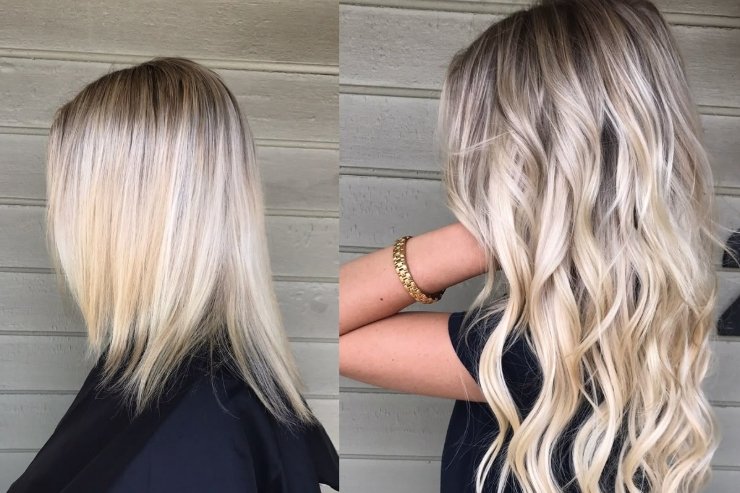
If you match only to the root, the extensions may look too dark once they fall through the lower lengths of the hair. This is especially common with balayage, rooted blondes, and clients whose natural color becomes lighter toward the ends.
That does not mean the root should be ignored.
The root color helps the stylist understand the client’s overall dimension and whether a rooted or blended extension shade may be needed. A good match should work with the full color pattern, not just one section.
Why Should Stylists Use a Professional Color Ring?
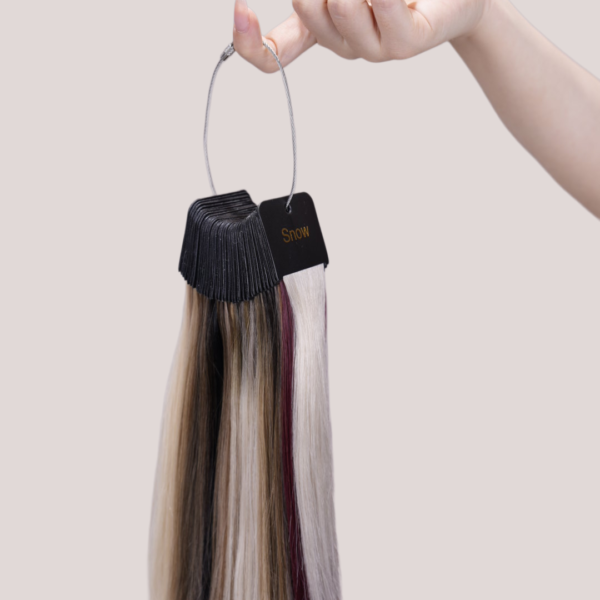
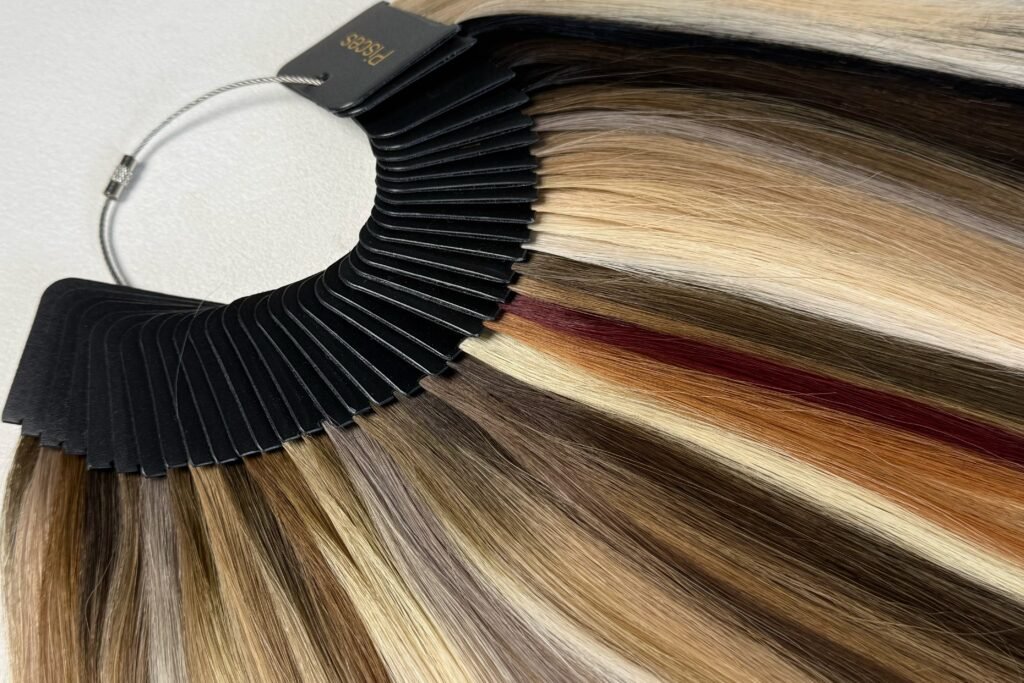
A physical color ring gives you a more reliable comparison than a phone screen or product photo.
Screens can shift color because of brightness, white balance, camera processing, and display settings. Salon lighting can also make warm and cool tones look different from how they appear in daylight.
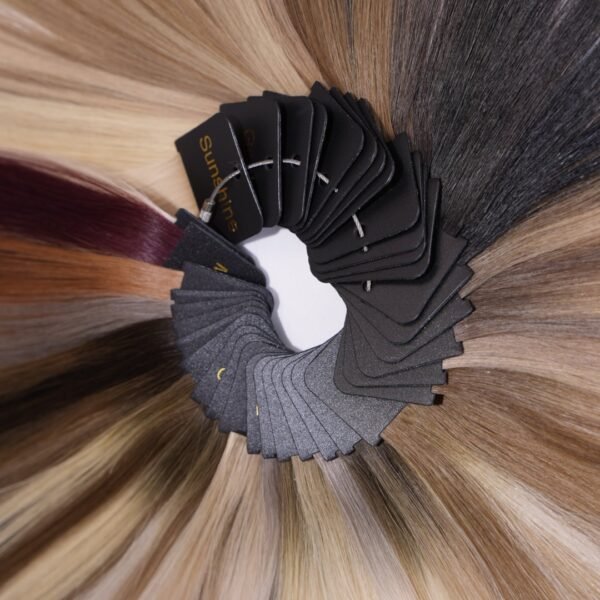
LumenFlow uses a unified 36-shade color system, and the professional Color Ring is made with real human hair swatches. The same shade system is used across LumenFlow’s main extension methods, which makes it easier to keep color selection consistent across different services.
When possible, compare the swatches directly against the client’s mid-lengths and ends in natural light.
Stylists can view the LumenFlow Professional Color Ring for the complete shade system.
Why Is Undertone Just as Important as Depth?
Two extension shades can look equally light or dark and still blend very differently.
For example, one blonde may have a cool or ashy finish while another has a warmer golden tone. Even if the depth is similar, the wrong undertone can make the extensions stand out from the natural hair.
The same applies to brunette shades.
A professional match should consider both level and undertone, rather than choosing a shade based only on how light or dark it appears.
When Should Stylists Mix More Than One Extension Shade?
Not every client should be matched with one solid color.
Natural and professionally colored hair often contains multiple tones, especially with balayage, highlights, dimensional brunettes, and rooted blondes. Using more than one extension shade can help recreate that depth and movement.
LumenFlow shades can be mixed within the same installation when the client’s natural color calls for more dimension.
The goal is not to make every strand identical. The goal is to create an overall blend that looks balanced once the extensions move with the client’s natural hair.
Match Dimension, Not Just One Strand
A common mistake is pulling out one strand of the client’s hair and trying to find a swatch that matches it exactly.
That strand may not represent the rest of the client’s color.
Instead, step back and look at the overall pattern. Identify where the darker tones sit, where the brightness appears, and how the color transitions through the mid-lengths and ends.
This gives you a better foundation for deciding whether one shade is enough or whether multiple shades should be used.
Does the Extension Method Affect Color Placement?
Yes. Choosing the right shades and deciding where those shades should sit are two different parts of the service.
With K-Tips, stylists can place different shades strand by strand, which allows for very detailed color distribution. With wefts, the stylist needs to think about how the colors will appear across a wider section.
Tape-Ins also require careful planning around the perimeter and visible outer layers, especially when the client has strong contrast between roots and ends.
The color-matching process should therefore consider both the client’s natural hair and the extension method being used.
What Are the Most Common Hair Extension Color-Matching Mistakes?
One of the most common mistakes is matching only to the root. This can create extensions that look too dark through the lengths.
Another is choosing the correct depth but ignoring undertone. A warm shade placed into cool-toned hair can still look obviously different even when the level is close.
Stylists can also lose dimension by using one flat shade on hair that naturally contains several tones.
Finally, relying only on phone photos can lead to inaccurate decisions. Photos can be useful for an initial consultation, but a physical shade comparison is more reliable for the final match.
Can Hair Extensions Be Toned or Colored After Matching?
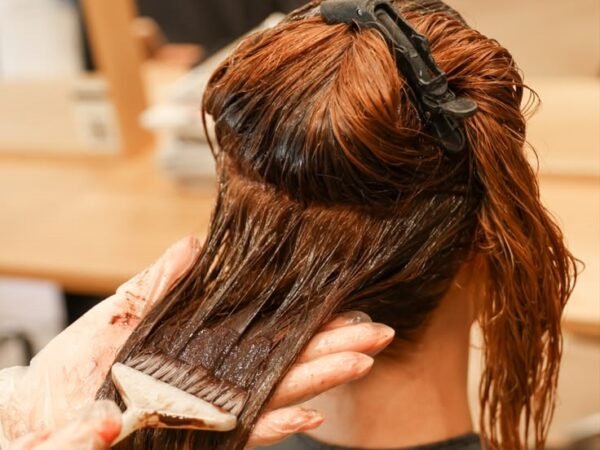
LumenFlow extension hair can be toned or dyed darker when needed.
However, the hair should not be bleached or lightened.
For that reason, the best approach is still to choose the closest possible extension shades before installation rather than relying on major color correction afterward.
If the client’s hair is highly dimensional, mixing multiple shades is often a better solution than trying to significantly alter one extension color.
How Should Stylists Record a Client’s Shade Match?
Once you have created a successful color formula, record it.
Keep the shade codes, shade combination, extension method, and basic placement notes in the client file. This makes future reorders and reinstallations much more consistent.
For dimensional clients, even a simple note such as which shade was used for depth and which was used for brightness can save time at the next appointment.
A good color match should become repeatable, not something the stylist has to rebuild from memory each time.
Frequently Asked Questions About Hair Extension Color Matching
Should extensions match the roots or the ends?
The mid-lengths and ends should usually be the primary reference because that is where the extensions need to blend visually. The root should still be considered when planning overall dimension, rooted effects, or balayage.
Can you mix two or more extension colors?
Yes. Mixing multiple shades can create a more natural result when the client’s hair contains highlights, lowlights, balayage, or other dimensional color.
Can you color match hair extensions from a photo?
A photo can help with an initial consultation, but it should not be the only reference for a final shade match. Lighting, camera settings, and screen displays can all shift how a color appears.
What if the client is between two shades?
Instead of forcing one shade to do all the work, consider whether combining two shades would recreate the client’s overall dimension more accurately.
Do hair extension shade numbers match across different brands?
Not necessarily. A shade number from one extension brand should not automatically be assumed to match the same number from another brand.
For the most accurate result, use the physical color ring from the same brand of extension hair you plan to install.