Tape-In extensions are a professional semi-permanent method that uses adhesive tabs to add length, fullness, or both while keeping the attachment area relatively flat. For stylists, their biggest advantages are efficient application, flexible placement, and straightforward maintenance. Good results still depend on choosing the right client, clean sectioning, correct placement, and consistent aftercare.
What Are Tape-In Extensions?
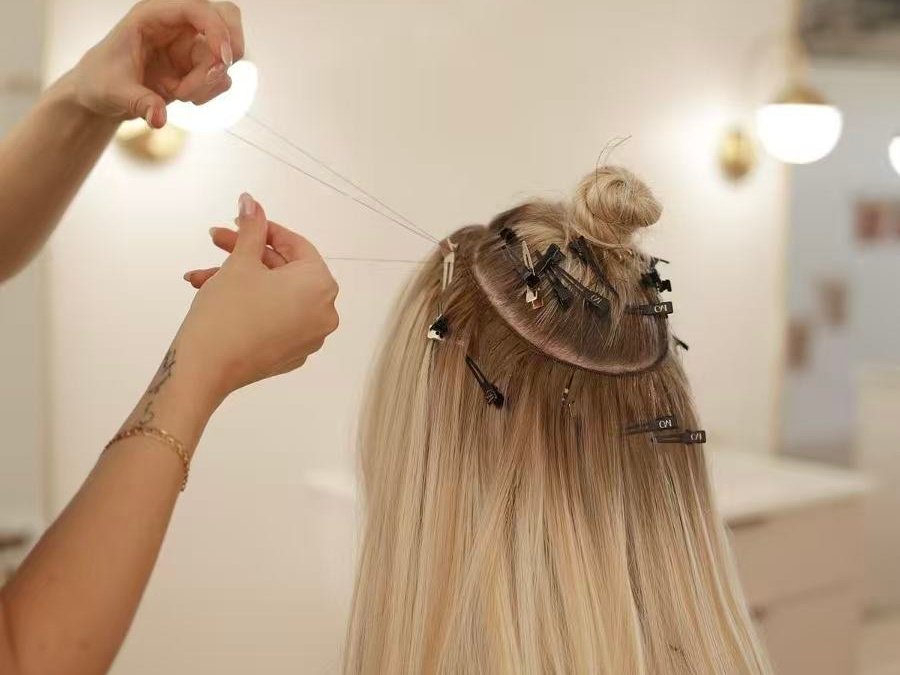
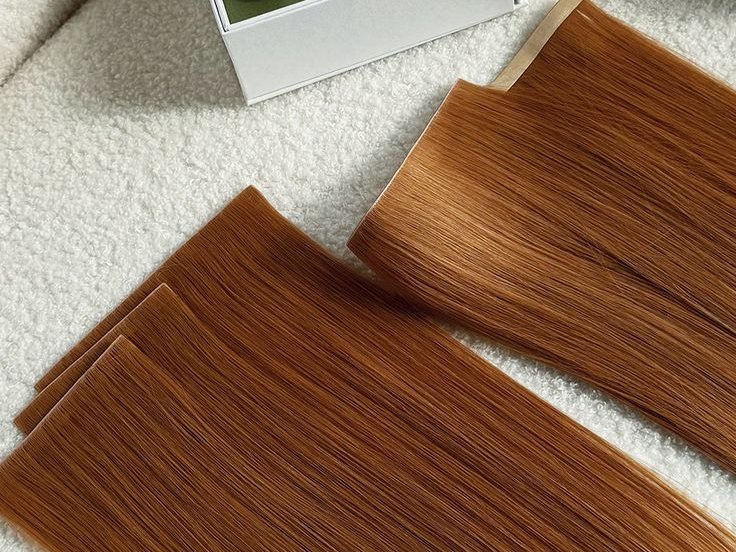
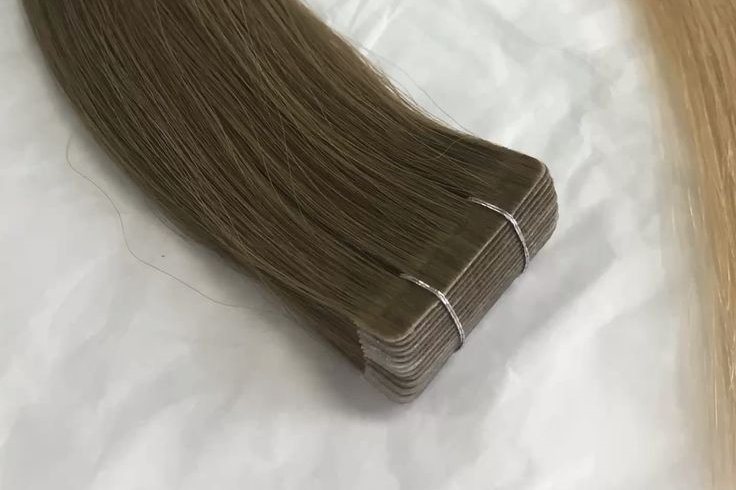
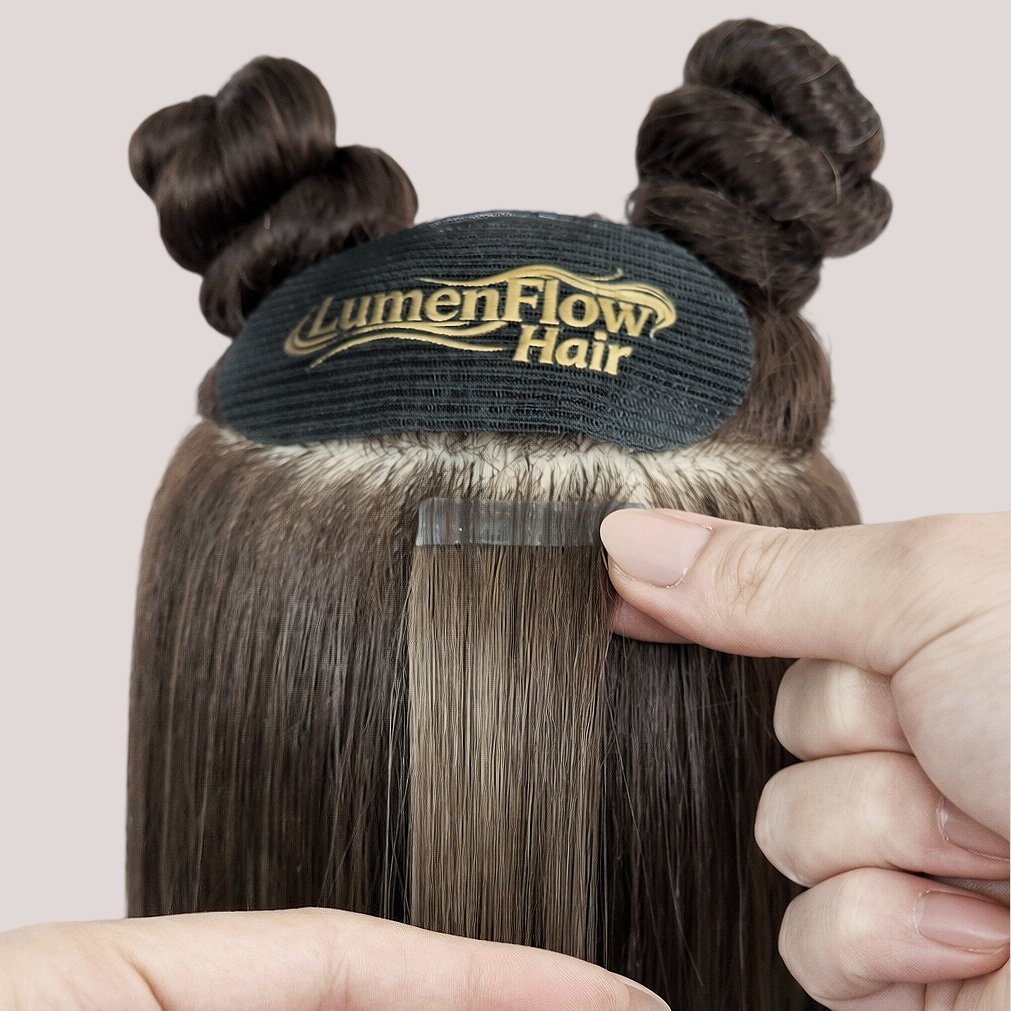
Tape-In extensions use adhesive tabs to secure extension hair around a section of the client’s natural hair. LumenFlow supports the traditional sandwich method, where the natural hair sits between two Tape-In pieces.
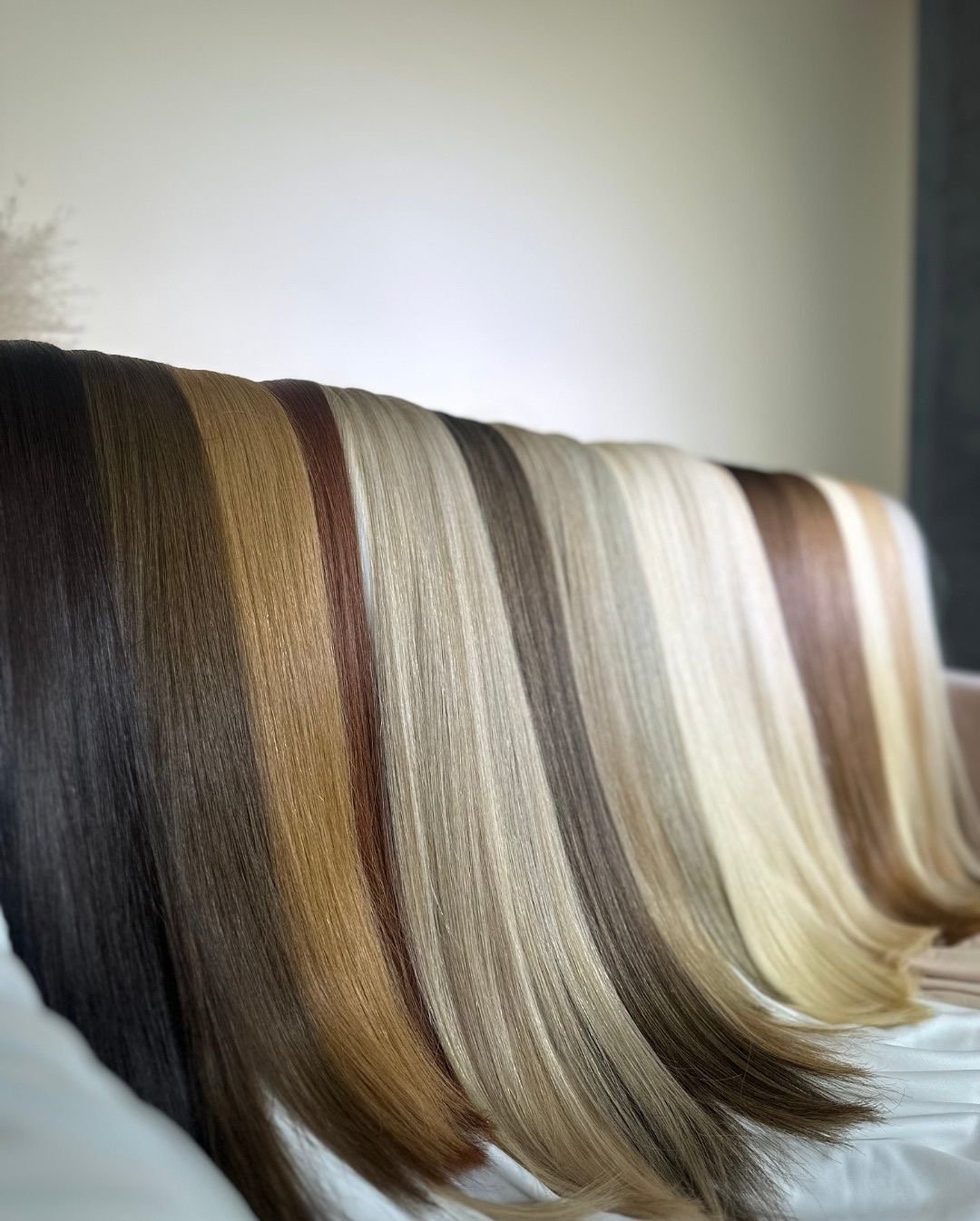
LumenFlow Tape-In extensions are made with 100% Virgin Human Hair and are designed for professional salon application.
Why Does the Flat Attachment Matter?
A flatter attachment can make Tape-Ins easier to conceal and comfortable to wear when placement is planned correctly.
The attachment still needs enough natural hair around it for support and coverage. A thin profile does not replace proper consultation or sectioning.
Why Do Stylists Choose Tape-In Extensions?
Tape-Ins are popular behind the chair because they can deliver noticeable length and volume without requiring a highly time-intensive installation.
The method is efficient, but speed should never come at the expense of preparation or placement.
Efficient Salon Application
Tape-In installation can be relatively fast compared with some other extension methods, which makes it useful for salons that want to offer a professional transformation without creating an unnecessarily long service.
Clean hair, controlled sectioning, and proper adhesive contact all affect how well the extensions perform between appointments.
Flat, Discreet Placement
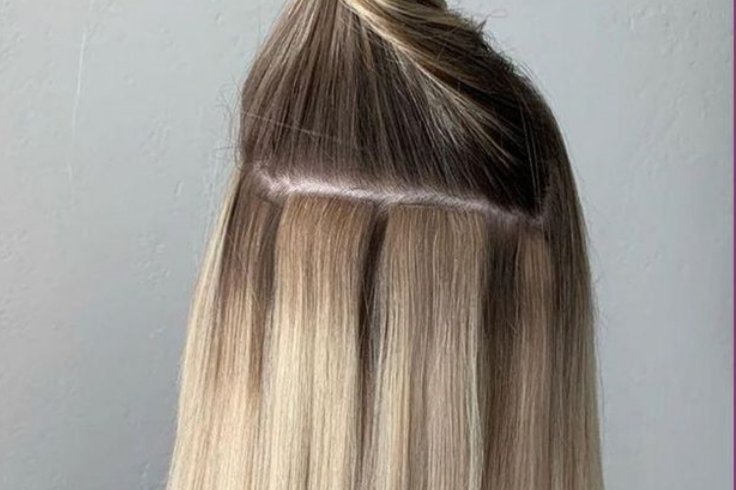
When correctly placed, Tape-Ins sit close to the head and can blend naturally beneath the client’s own hair.
This makes concealment especially important around the perimeter, part line, and areas where the client frequently wears the hair up.
Flexible Length and Volume Services
Tape-Ins can be used for full length transformations, added fullness, or targeted density in areas that need support.
The amount and placement should be based on the client’s natural density, haircut, and desired result rather than using the same installation plan for every client.
Which Clients Are Good Candidates for Tape-Ins?
Tape-Ins can work well for many clients, but the decision should start with the condition of the natural hair.
During consultation, stylists should look at density, strand strength, scalp condition, concealment, lifestyle, styling habits, and willingness to return for regular maintenance.
What About Fine Hair?
Tape-Ins can be suitable for some clients with fine hair, but fine hair and low-density hair are not the same thing.
A client may have fine individual strands but still have enough overall density to support and conceal the attachment. Another client may have very little natural hair available for support, which can make a different method more appropriate.
For a more detailed assessment approach, see LumenFlow’s guide to choosing extensions for fine or thin hair.
When May Tape-Ins Not Be the Best Choice?
Tape-Ins may not be the right option when there is not enough natural hair to support or conceal the attachment, when the hair is experiencing significant breakage, or when the client is unlikely to follow the required maintenance routine.
Method selection should always be based on the client in front of you, not simply on which extension system is easiest to install.
What Makes a Good Tape-In Installation?
Good preparation, consistent sections, correct positioning, and strong adhesive contact matter more than simply working quickly.
Preparation and Clean Sectioning
The attachment area should be clean and free from products that may interfere with adhesion.
Sections should also be controlled and consistent. Too much or too little natural hair inside the attachment can affect comfort, support, and retention.
Placement and Weight Distribution
Placement should follow the client’s natural movement and styling habits.
Attachments should not sit where they are difficult to conceal or create unnecessary tension. The stylist also needs to distribute extension weight according to the natural density available in each area.
Adhesive Contact and Aftercare
The two Tape-In pieces need secure, even contact around the natural hair section.
Client aftercare also matters once the service is complete. Product buildup, oils around the attachment area, and poor maintenance habits can all contribute to slippage.
For more troubleshooting guidance, read LumenFlow’s hair extension slippage guide.
How Do Tape-In Maintenance and Reinstallation Work?
LumenFlow recommends professional Tape-In maintenance approximately every 6–8 weeks.
At a maintenance appointment, the extensions should be professionally removed, the attachment area cleaned, and the natural hair reassessed before reinstallation. Fresh replacement tape should be used when the extensions are reapplied.
The move-up schedule is different from the lifespan of the extension hair itself. With proper care, LumenFlow Tape-In hair can last more than 1 year, while the attachments still require regular maintenance as the client’s natural hair grows.
The condition of both the natural hair and the extension hair should be checked at every appointment before deciding whether to reinstall.
Should You Add Tape-In Extensions to Your Salon Services?
Tape-Ins can be a useful addition for salons that want a versatile method for clients seeking length, fullness, or a relatively flat attachment.
They do not need to replace other extension systems. A stylist who works with several methods has more flexibility to match the installation to the client’s hair, lifestyle, and desired result.
For some clients, Tape-Ins may be the right fit. Others may be better suited to a weft or another professional extension method, including options such as LumenFlow Butterfly Weft.
Stylists can explore the LumenFlow Tape-In collection or learn more about professional pricing and support through the LumenFlow Stylist Program.
Frequently Asked Questions
Can Tape-In extensions be reused?
Yes. Tape-In hair can be reused when the extension hair and the client’s natural hair remain in suitable condition. Fresh replacement tape should be used during reinstallation.
How often do Tape-In extensions need maintenance?
LumenFlow recommends professional maintenance approximately every 6–8 weeks.
Are Tape-In extensions good for fine hair?
They can be suitable for some fine-haired clients, but natural density, strand strength, concealment, and planned extension weight should all be evaluated first.
What causes Tape-In extensions to slip?
Slippage can be related to preparation, product buildup, adhesive contact, sectioning, placement, or aftercare. The cause should be assessed before simply reinstalling the extension.
How long do LumenFlow Tape-In extensions last?
With proper care, LumenFlow Tape-In hair can last more than 1 year. Regular maintenance is still required during that period.