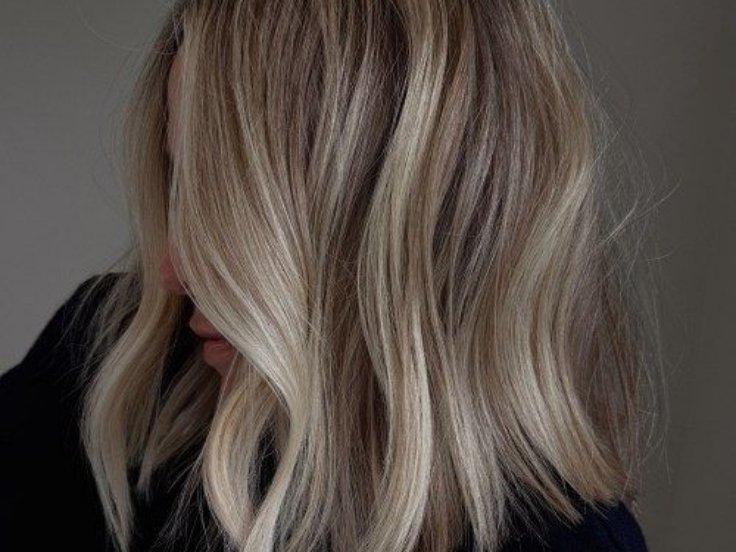
Short hair can work with professional extensions, but the plan depends on whether the natural hair can support and conceal the attachments and blend into the finished length. A blunt perimeter, limited coverage, lower density, or a large jump between the natural hair and target length can make the service more challenging. Stylists should assess the haircut, density, concealment, target length, and desired fullness before choosing the method.
Can You Put Hair Extensions on Short Hair?
Yes, some short-haired clients can be good candidates for extensions.
Length alone does not determine suitability. The stylist also needs to consider the haircut, natural density, strand strength, attachment coverage, desired result, and how much transition is needed between the client’s own hair and the extensions.
A professional hair extension consultation helps determine whether the planned transformation makes sense before hair is ordered or installed.
How Short Is Too Short for Hair Extensions?
There is no universal minimum natural-hair length that applies to every client or every extension method.
Instead of relying on one inch measurement, look at whether the natural hair in the planned placement area can support the attachment and provide enough coverage to conceal it during normal styling.
If either support or concealment is limited, the target length, placement, amount of hair, or extension method may need to change.
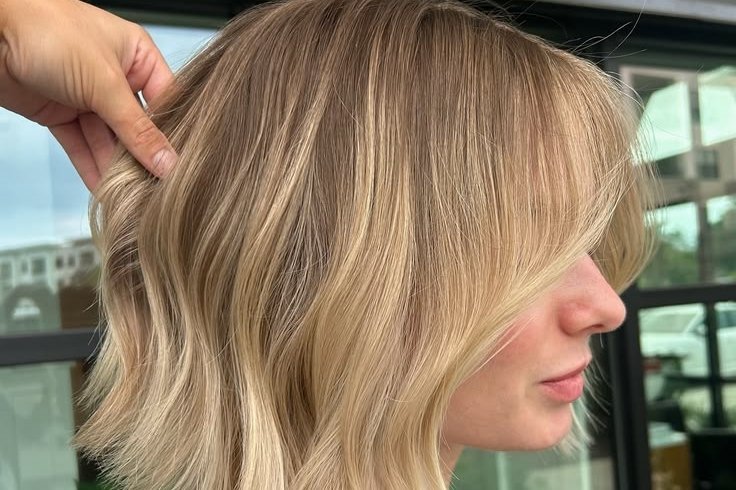
Why Are Blunt Bobs Harder to Blend?
A blunt haircut creates a strong, visible perimeter.
When longer extensions sit underneath that line, the natural hair can remain visibly separate from the added length instead of transitioning gradually into it.
The Natural Perimeter Can Stay Visible
The heavier and more defined the perimeter is, the more obvious that transition can become.
A short blunt cut therefore needs more planning than simply installing longer hair underneath the existing haircut. The finished density and shape both affect how connected the result looks.
Larger Length Jumps Need More Planning
A client whose natural hair is already close to the target length may need only a modest transition.
Going from a much shorter cut to significantly longer hair creates a larger visual gap. As that gap increases, density, placement, color, and the finished shape become more important to the plan.
What Should Stylists Assess Before Planning the Service?
Short-hair transformations should be planned from the client’s actual starting point rather than the method they initially request.
Starting Length and Haircut
Look at where the natural hair currently falls and how the haircut is shaped.
A blunt bob, short layers, heavy perimeter, or uneven grow-out can all change how the extension service needs to be planned.
Density and Strand Strength
Natural density affects both attachment support and concealment.
Two clients with the same haircut may have very different options if one has strong overall density and the other has much less natural hair available for support.
Strand strength should also be considered when deciding how much extension hair each area can reasonably carry.
Attachment Concealment
Consider how the client normally wears the hair.
Attachments need enough natural coverage when the hair is worn down, lifted, parted differently, or styled away from the face. A method may technically be installable but still be a poor fit if the client cannot conceal it during normal styling.
Desired Length and Fullness
Ask whether the client wants more length, more fullness, or both.
A major length transformation may need a different density plan from a service focused mainly on fuller ends. Finished length and finished density should be planned together.
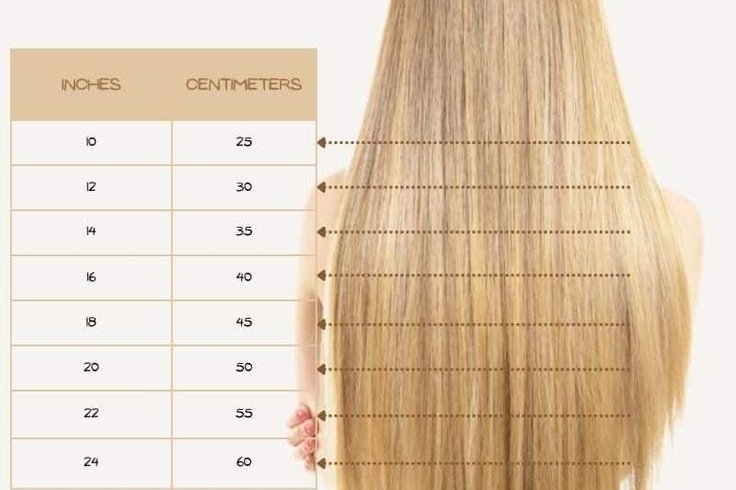
How Should Stylists Plan Length for Short Hair?
Start with where the client wants the finished hair to fall rather than asking them to choose an inch number without context.
Height, body proportions, starting length, installation position, and finished texture can all change how the same extension length appears.
LumenFlow’s hair extension length guide can help explain those differences during consultation.
The size of the length jump matters too. A larger difference between the natural hair and target length usually requires more attention to density, haircut, and the finished transition.
How Should Density Be Planned for a Short-to-Long Transformation?
Density through the finished length becomes especially important when the natural haircut is much shorter than the target result.
If the extension hair looks too thin below a heavier short perimeter, the natural hair can remain visually separate from the added length.
There is no universal gram amount for short-haired clients. The planned amount should reflect natural density, starting length, haircut, target length, desired fullness, chosen method, and placement.
Row counts, bonds, and Tape-In pieces should also come from the individual service plan rather than a fixed formula.
Which Extension Method Works for Short Hair?
There is no single best extension method for every short-haired client.
Method selection should be based on natural hair condition, support, concealment, desired result, placement needs, styling habits, and maintenance commitment.
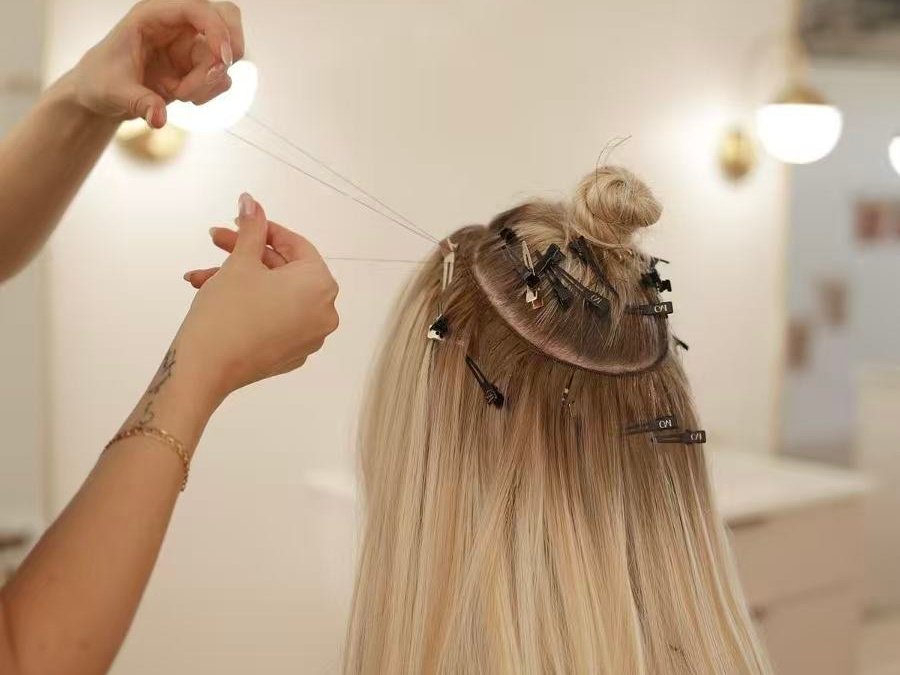
A weft system such as Butterfly Weft or Genius Weft may make sense when broader coverage fits the plan and the natural hair can support and conceal the row. Tape-In provides flat, section-based placement, while K-Tip gives the stylist strand-by-strand placement control.
Those structural differences can help shape the service, but short hair by itself should never determine the method.
What Makes a Short-Hair Extension Result Look Natural?
The transition between the natural haircut and the added hair matters as much as the attachment method.
The finished lengths need enough density to connect visually with the client’s own hair, especially when the natural perimeter is blunt or heavy.
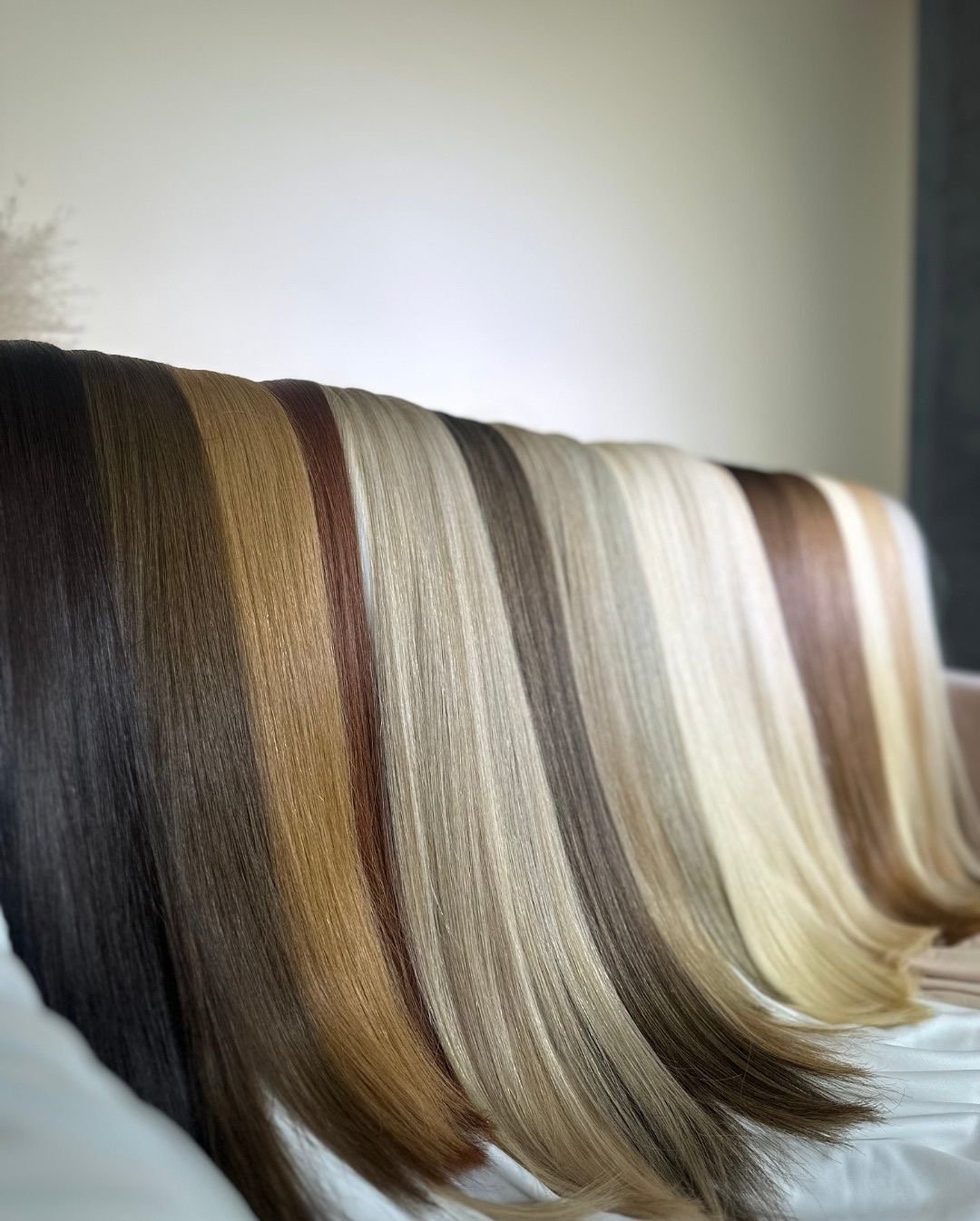
Color also matters because the natural hair and extensions sit close together through the visible transition area. Depth, undertone, dimension, and the client’s mid-lengths and ends should all be considered before ordering. For the full process, see LumenFlow’s professional hair extension color matching guide.
Finally, the attachments should remain reasonably concealed as the client parts, moves, and styles the hair. The client should not have to wear one fixed hairstyle simply to hide the installation.
When Should the Stylist Adjust or Delay the Plan?
Not every short-haired client needs to move directly into the longest possible transformation.
If there is not enough natural hair to support or conceal the planned attachment, the target length is unrealistic for the current starting point, the natural hair shows significant visible breakage, or the planned service would place too much load on the available natural hair, the plan should be adjusted.
That may mean choosing a shorter target length, focusing more on fullness, changing the placement or method, or allowing more natural growth before proceeding.
The strongest professional plan is the one the client’s current hair can realistically support.
Frequently Asked Questions
Can short hair get extensions?
Yes, some short-haired clients can be good candidates. Suitability depends on natural density, strand strength, haircut, attachment concealment, desired result, and the installation plan.
How short is too short for hair extensions?
There is no universal minimum length that applies to every client or method. The stylist should assess whether the natural hair can support and conceal the planned attachment and transition into the finished result.
Can you put extensions in a blunt bob?
Yes, but blunt bobs can be more difficult to blend because the natural perimeter creates a strong visible line. Length, density, placement, and the finished shape need to be planned carefully.
Which extension method is best for short hair?
There is no single best method for every short-haired client. Method choice should be based on natural hair condition, density, concealment, placement needs, desired result, lifestyle, and maintenance commitment.
Can short fine hair wear extensions?
Potentially, yes. Fine hair and low-density hair are not the same thing, so density, strand strength, support, concealment, and planned extension weight should all be assessed first.