There is no single lowest-maintenance professional hair extension method for every client. The better choice depends on the client’s natural hair, how often they can return to the salon, how much at-home care they will realistically follow, and how they normally style their hair.
Across LumenFlow’s professional methods, clients generally return on a 6–8 week professional follow-up rhythm, while the extension hair itself can last more than 12 months with proper care. The real difference is what needs to be maintained and how the client manages the extensions between appointments.
What Does “Low Maintenance” Really Mean for Hair Extensions?
Low maintenance is not just about how many weeks a client can go between salon visits.
A stylist should look at the full routine: how often the installation needs professional attention, what the client needs to manage at home, and what kind of service happens when they return.
A method may have a predictable salon schedule but require more attention around the attachment area at home. Another may involve less traditional move-up work but still require careful bond maintenance.
That is why “low maintenance” should describe the total routine, not just appointment frequency.
Are Removable Extensions Really Lower Maintenance?
Removable extensions such as clip-ins usually require less professional salon maintenance, but that does not automatically mean less effort overall.
The client is responsible for installing, removing, and storing them regularly. For someone who wants extensions professionally installed and worn continuously, that routine may feel less convenient than a semi-permanent method.
Removable and salon-installed extensions should therefore be compared based on the client’s actual lifestyle, not just how often they need a salon appointment.
How Do Professional Extension Methods Differ in Maintenance?
Across LumenFlow’s professional extension methods, the follow-up rhythm is similar. The biggest difference is what happens during the appointment and what the client needs to care for at home.
| Method | Professional Follow-Up | Hair Lifespan | Main Maintenance Difference |
|---|---|---|---|
| Butterfly Weft | Move-up every 6–8 weeks | More than 12 months with proper care | Bead-only row maintenance |
| Genius Weft | Maintenance every 6–8 weeks | More than 12 months with proper care | Beaded foundation and sewn-weft maintenance |
| Tape-In | Move-up / maintenance every 6–8 weeks | More than 12 months with proper care | Adhesive attachment care and reinstallation |
| K-Tip | Professional check-up every 6–8 weeks | More than 12 months with proper care | Individual bond care; removal depends on actual wear |
This is why appointment frequency alone does not tell you which method will feel easiest for the client.
Butterfly Weft and Genius Weft
Both follow a structured row-based salon routine.
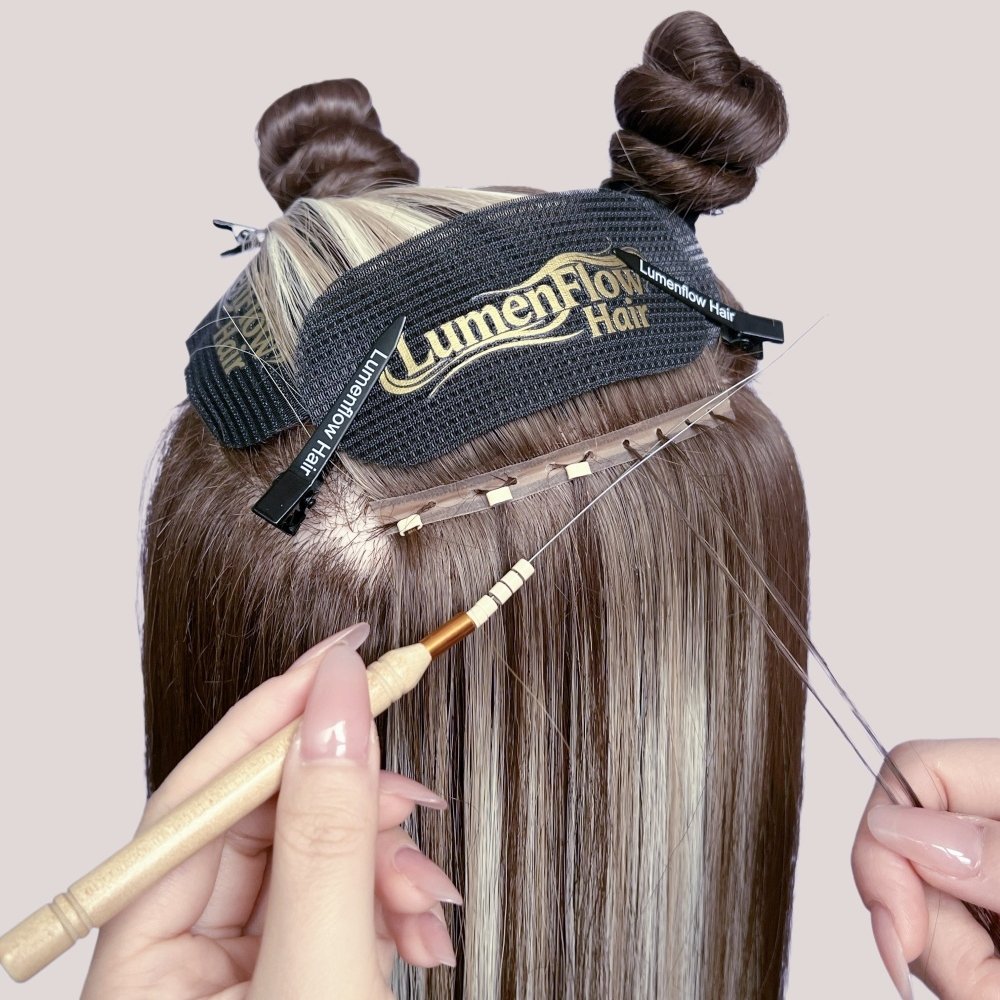
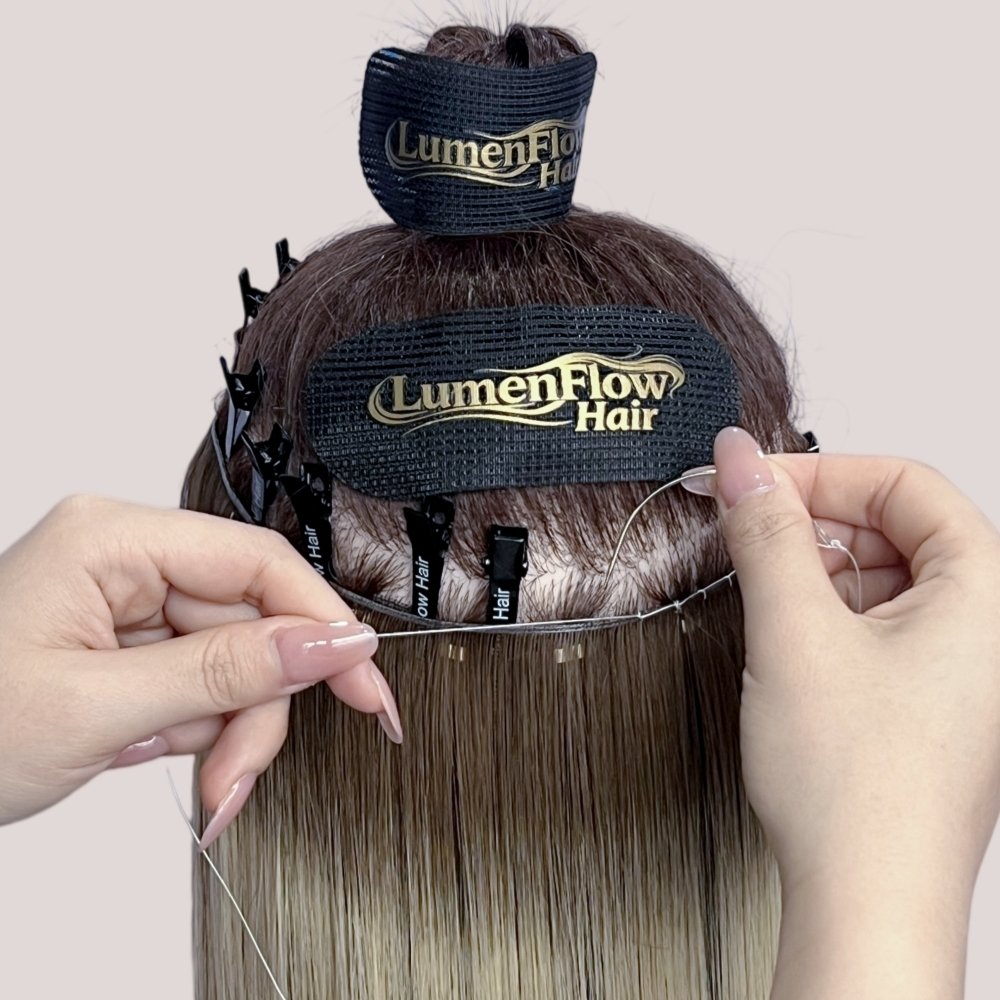
Butterfly Weft uses a bead-only attachment, while Genius Weft is maintained around a beaded foundation and sewn weft. For clients who prefer a predictable row-maintenance schedule, either can be manageable when the method suits their natural hair.
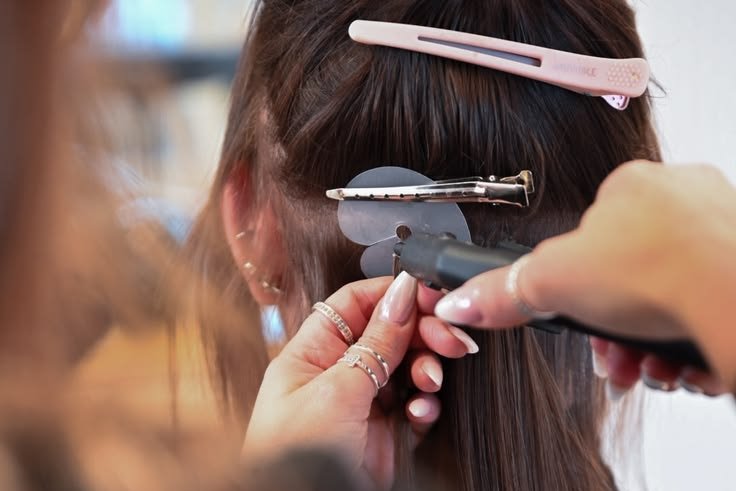
Tape-In
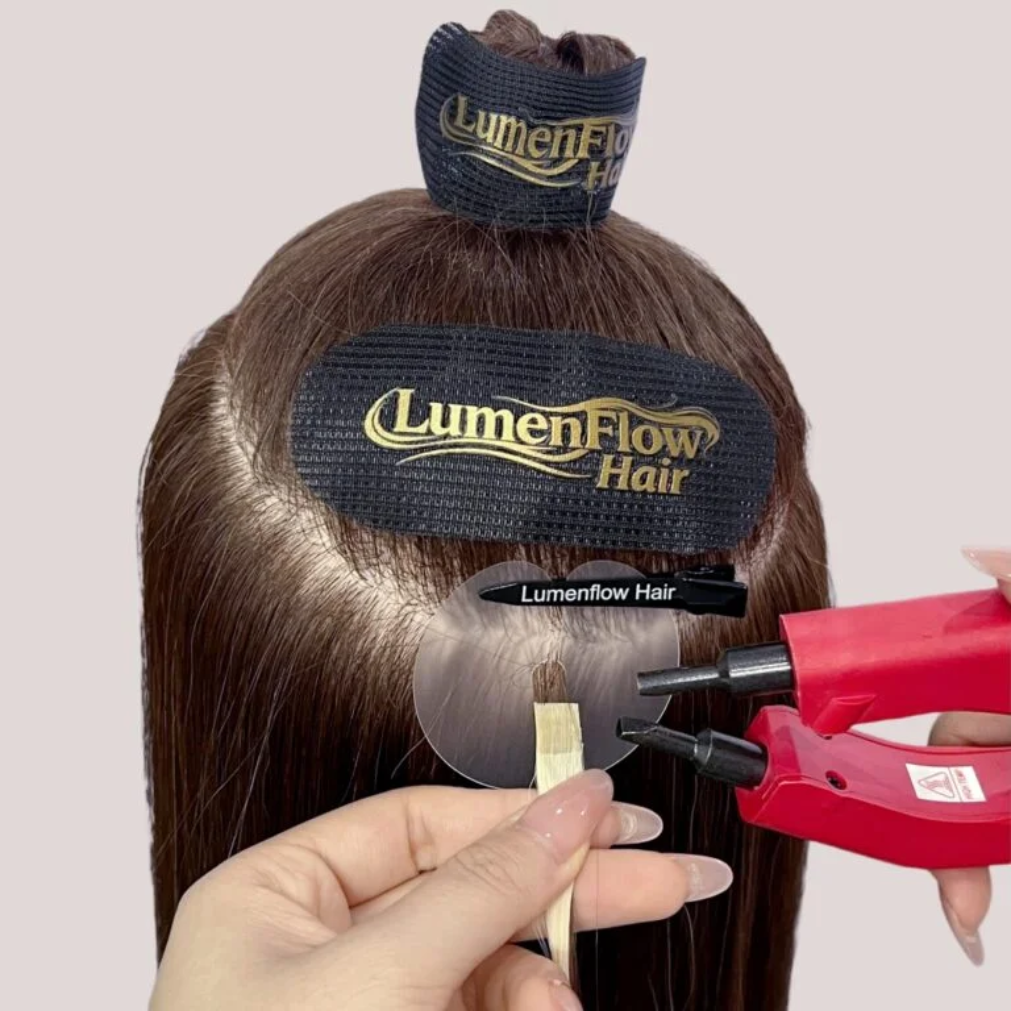
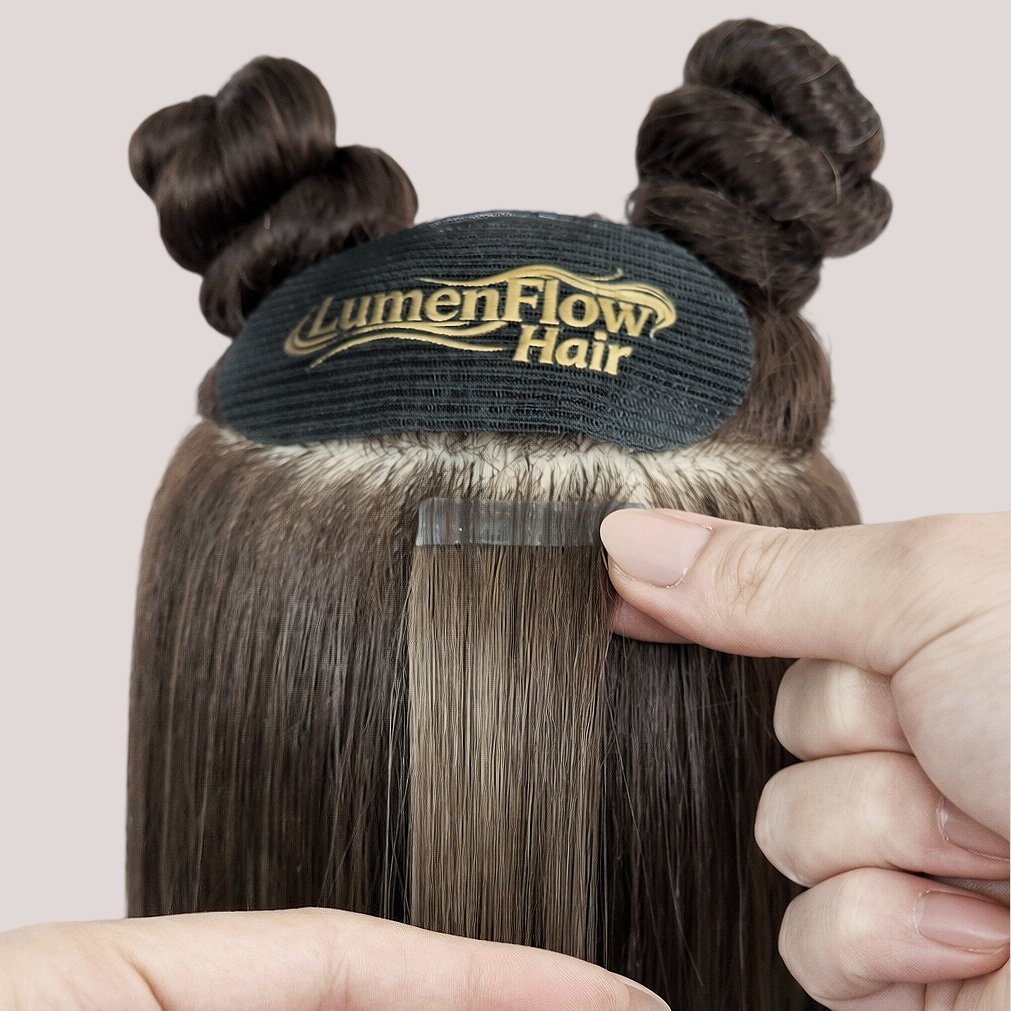
Tape-In follows a regular professional maintenance routine, but the adhesive attachment creates a different home-care profile.
Clients need to be comfortable caring for the attachment area and returning for professional removal and reinstallation.
K-Tip
K-Tip follows a different maintenance model because it does not use a traditional move-up routine.
LumenFlow recommends a professional check-up every 6–8 weeks during wear. Full removal is based on natural-hair growth, bond condition, tangling, shedding, and the overall installation rather than one fixed removal date.
So fewer “move-ups” should not automatically be interpreted as less maintenance.
How Should Stylists Choose the Right Maintenance Routine?
Start with the client’s real lifestyle rather than the method you personally prefer to install.
Ask how often they are willing to return to the salon, how they normally wash and style their hair, and how much attention they are realistically prepared to give the attachment area at home.
Natural-hair suitability still comes first. Density, strand strength, current condition, coverage, and planned extension weight should help narrow the options before maintenance preference becomes part of the decision.
Even a method with a simple maintenance routine can become high-maintenance when the client-method match, placement, weight, or aftercare is wrong.
For a broader consultation framework, see LumenFlow’s hair extension consultation checklist.
Is Maintenance Frequency the Same as Extension Lifespan?
No.
Maintenance frequency refers to how often the attachment or installation needs professional attention. Hair lifespan refers to how long the extension hair itself can remain usable with proper care.
LumenFlow’s main professional extension methods are designed for more than 12 months of hair lifespan with proper care, but that does not mean the original installation can remain untouched for that entire period.
The same extension hair may continue through multiple maintenance cycles while the attachment is repositioned, checked, removed, or reinstalled as appropriate for the method.
Keeping those two timelines separate helps clients understand the difference between a long-lasting product and a low-maintenance service.
Frequently Asked Questions
Which hair extensions require the least maintenance?
There is no universal winner. The best option is the method that fits the client’s natural hair, salon schedule, home-care habits, and styling routine.
Does low maintenance mean fewer salon appointments?
Not necessarily. Professional methods may follow a similar appointment rhythm while requiring different types of maintenance and different levels of attention at home.
What about low-maintenance extensions for fine hair?
Maintenance should come after suitability. Fine or low-density hair should first be assessed for strand strength, density, support, and placement before convenience becomes part of the decision.
For more detail, see LumenFlow’s guide to choosing extensions for fine or thin hair.